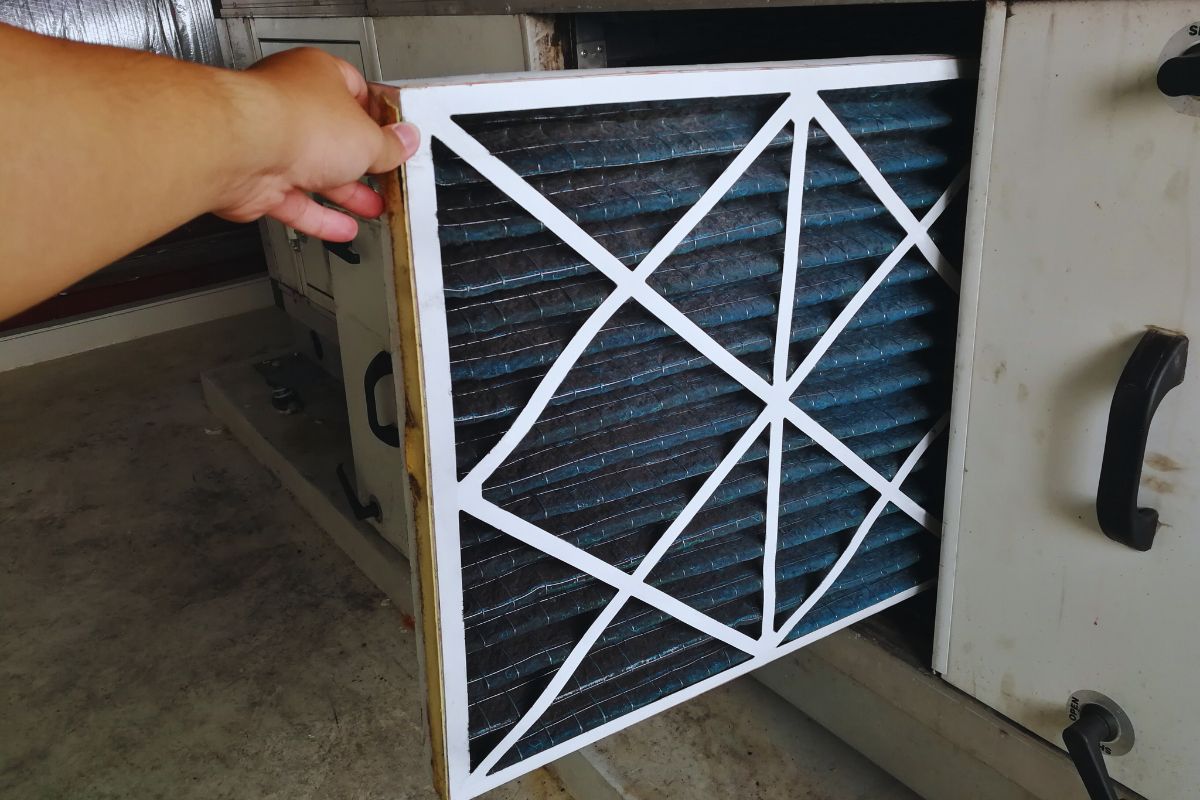
Walking down the aisle of your local hardware store can feel overwhelming when you’re staring at a wall of air filters. You see different materials, varying thickness levels, and a bunch of acronyms like MERV and HEPA. It’s easy to grab the cheapest one and call it a day, but the filter you choose actually plays a massive role in your home’s air quality and the lifespan of your AC unit.
Understanding the different HVAC filter types isn’t just about keeping dust off your furniture; it’s about protecting your expensive heating and cooling equipment and ensuring your family breathes clean air. Whether you have pets, allergies, or just want to save on energy bills, picking the right filter matters.
In this guide, we’ll break down the most common types of filters, explain what those ratings actually mean, and help you decide which one is right for your home.
Why Your HVAC Filter Choice Matters
Before we dive into the specific types, let’s talk about why you shouldn’t ignore this small component. Your HVAC filter has two main jobs:
- Protecting the Equipment: It stops dust and debris from clogging up the internal coils and blower motor. A clogged system has to work harder, which drives up energy bills and leads to early breakdowns.
- Cleaning the Air: It traps airborne particles like pollen, pet dander, mold spores, and bacteria, preventing them from circulating back into your living space.
Choosing the wrong filter can either choke your system (restricting airflow) or let too much junk pass through. It’s a balancing act between filtration efficiency and airflow.
Understanding MERV Ratings
You’ll see the term “MERV” pop up a lot. It stands for Minimum Efficiency Reporting Value. It’s a standard scale from 1 to 16 that rates how effectively a filter traps particles.
- MERV 1-4: Captures large particles like dust mites, pollen, and carpet fibers. These are basic filters designed mostly to protect your equipment, not improve air quality.
- MERV 5-8: The sweet spot for most residential homes. These trap mold spores, pet dander, and hair spray droplets. They offer good filtration without restricting airflow too much.
- MERV 9-12: Better for superior residential needs. These catch finer particles like humidifier dust, lead dust, and auto emissions.
- MERV 13-16: Hospital-grade filtration. These can trap bacteria and smoke. While powerful, they are often too dense for standard residential HVAC systems and can actually damage your unit by blocking airflow if your system isn’t designed for them.
Common HVAC Filter Types
Now, let’s look at the actual materials and construction styles you’ll encounter.
1. Fiberglass Air Filters
These are the most common and affordable filters you’ll find. They are essentially spun glass fibers reinforced by a metal grate.
- Pros: Very cheap (often under $5) and allow for maximum airflow.
- Cons: They filter very little. They are designed almost exclusively to protect your AC unit from large debris, not to clean the air you breathe. They typically have a low MERV rating (1-4).
- Best For: Budget-conscious homeowners without allergies or pets, or vacation homes that aren’t used often.
2. Pleated Air Filters
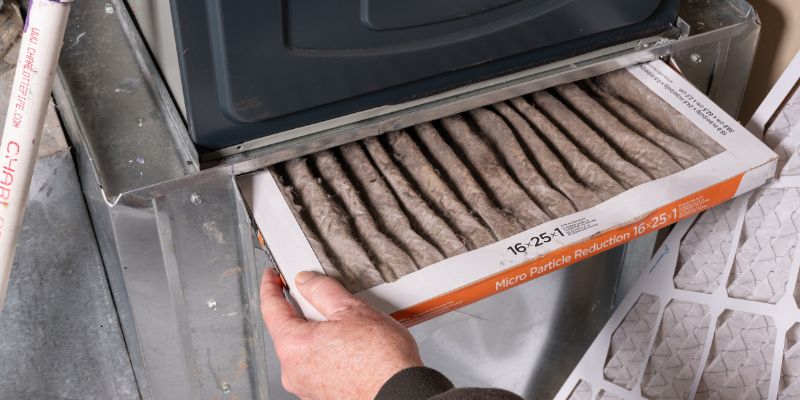
These are made from polyester or cotton folds (pleats). The pleated design increases the surface area of the filter, allowing it to trap more debris without sacrificing too much airflow.
- Pros: They catch significantly more dust, pollen, and pet dander than fiberglass. They generally fall into the MERV 5-8 range, making them a great upgrade for most homes.
- Cons: slightly more expensive than fiberglass ($10-$20 range).
- Best For: The average household looking for a balance between cost and air quality.
3. HEPA Filters
You’ve likely heard of High-Efficiency Particulate Air (HEPA) filters. They are the gold standard for air purification, capable of removing 99.97% of airborne particles as small as 0.3 microns.
- Pros: Unmatched filtration. They catch bacteria, viruses, and tobacco smoke.
- Cons: They are very dense. Most standard residential HVAC systems cannot handle the airflow restriction of a true HEPA filter. Installing one might require upgrading your system or buying a separate filtration unit.
- Best For: People with severe respiratory conditions, allergies, or compromised immune systems, provided their HVAC system is compatible.
4. Washable / Electrostatic Filters
These filters use static electricity to attract dust and particles like a magnet. Some are disposable, but many are washable and reusable.
- Pros: Eco-friendly and cost-effective over the long run. You buy it once and wash it every month.
- Cons: They require maintenance. If you don’t let them dry completely before reinstalling, mold can grow on the filter. Their filtration efficiency is usually lower than a good pleated filter.
- Best For: Eco-conscious homeowners who are diligent about maintenance.
5. Media Filters
Media filters are the heavyweights of residential filtration. They are much thicker than standard filters (often 4-5 inches wide) and sit in a special cabinet in your ductwork.
- Pros: Massive surface area means they hold a lot of dirt and have a long lifespan (6 months to a year). They offer high MERV ratings (11+) with excellent airflow.
- Cons: require professional installation of a special filter cabinet if your system doesn’t already have one.
- Best For: Homeowners who want high-quality air filtration and low maintenance.
When to Replace Your Filter
Regardless of the type you choose, a dirty filter is a useless filter. In fact, a clogged filter is worse than useless—it’s dangerous for your AC unit.
- Fiberglass: Every 30 days.
- Pleated (1-2 inch): Every 90 days (check monthly).
- Media Filters: Every 6-12 months.
Note: If you have pets, smoke indoors, or live in a dusty area, you will need to change your filters more frequently.
Professional AC Care with Fahrenheit AC
While changing your filter is a vital DIY task, it’s only one part of maintaining a healthy HVAC system. Sometimes, even the best filter can’t fix underlying airflow issues, duct leaks, or coil buildup.
At Fahrenheit AC, we specialize in helping Florida homeowners keep their cool. Whether you need advice on the right filtration system for your specific unit or a comprehensive maintenance check-up to ensure your new filters are working effectively, we’re here to help. We understand the unique challenges of our local climate and can ensure your system is optimized for both comfort and health.
Visit us at Fahrenheit AC to schedule your service or learn more about optimizing your home’s air quality.
Conclusion
Choosing the right HVAC filter doesn’t have to be a guessing game. For most households, a MERV 8-11 pleated filter offers the perfect balance of keeping the air clean without suffocating your air conditioner.
If you have specific health needs, look into HEPA or high-MERV options, but always consult with a professional first to make sure your system can handle the pressure. By staying on top of filter changes and selecting the right type for your lifestyle, you’ll enjoy cleaner air, lower energy bills, and a longer-lasting HVAC system.