It’s a hot Florida afternoon, and your AC is still cooling, but something doesn’t sound right. Maybe it’s a buzzing outside, a rattling near the air handler, or a squeal that wasn’t there yesterday.
Strange AC noises rarely disappear on their own. What starts as a loose panel, restricted airflow, or a worn component can turn into higher energy bills, reduced cooling performance, or an unexpected breakdown during the hottest part of the year.
Homeowners risk losing comfort when outdoor temperatures are at their highest. Business owners and property managers face uncomfortable tenants, employee complaints, and operational disruptions.
Air conditioners rarely fail without warning. The sound you’re hearing can often provide clues about what’s happening inside the system and whether the issue is something minor or a problem that needs prompt attention.
Is It Normal for an AC To Make Noise?
Not every sound from your HVAC system spells trouble. Air conditioners make some noise as they cycle on and off, which is normal. Knowing which sounds are normal and which signal trouble can help you catch problems before they become expensive repairs.
Sounds That Are Part of Normal Operation
Most HVAC systems produce a low humming sound while running. Gentle airflow from the vents and occasional clicking during startup or shutdown are also common. For example, a brief click when the thermostat signals for cooling is usually just the system’s electrical components engaging and isn’t a cause for concern.
Other normal sounds include:
- Soft fan operation
- Air moving through ductwork
- Short startup and shutdown clicks
- A low compressor hum
These sounds should stay relatively consistent over time.
Warning Signs That Something Is Wrong
What matters most is a change in the way the system sounds. If your AC suddenly gets louder, makes a new noise, or produces sounds that worsen over time, it likely has an underlying problem.
Common warning signs include:
- New or sudden loud noises
- Persistent sounds during operation
- Reduced cooling performance
- Increased energy bills
- Frequent on-and-off cycling
Many property owners wait until their system stops cooling effectively before calling for service. By then, the problem may have caused additional wear and tear.
AC Making Noise? What Different Sounds Usually Mean
Different sounds often point to specific HVAC problems. Determining the type of noise can help narrow down the cause.
Buzzing Noise
A persistent buzzing sound often points to an electrical or airflow-related issue that deserves attention.
Possible causes include:
- Electrical problems
- Loose wiring
- A failing capacitor
- Dirty air filters
- Frozen evaporator coils
For example, a business owner might hear a persistent buzzing from their outdoor condenser unit. Even if the building still feels cold, this sound could indicate an electrical issue that may lead to system failure.
Ignoring a buzzing noise can create safety hazards and lead to more expensive repairs.
Rattling Noise
Rattling noises often mean something has come loose.
Possible causes include:
- Loose screws
- Vibrating panels
- Debris inside the outdoor unit
- Damaged fan components
After storms or windy weather, debris can find its way into the condenser cabinet and rattle against moving components as the system runs. Left unaddressed, that movement can damage nearby parts and make the noise progressively worse.
Clicking Noise
While a brief click when your AC starts is normal, repeated or continuous clicking can signal a problem.
Potential causes include:
- Thermostat issues
- A failing relay
- A faulty control board
- Electrical malfunctions
If you hear repeated clicks as the AC tries to start, it could be an electrical issue preventing the system from engaging.
Hissing Noise
A hissing sound from your AC unit should never be ignored.
Possible causes include:
- Refrigerant leaks
- Air leaks
- Internal pressure problems
Refrigerant leaks can decrease cooling performance, increase operating costs, and strain the system. If you notice a decline in cooling capability accompanied by a hissing sound, schedule a professional service call immediately.
Squealing or Screeching Noise
A loud squeal from an HVAC unit is a sound that quickly gets attention.
This noise can be caused by:
- Worn bearings
- Blower motor issues
- Aging belts in older systems
Because the noise can be so hard to ignore, property managers often hear about it from tenants first. These problems rarely resolve themselves and usually worsen over time.
Banging or Clanking Noise
Banging sounds often indicate a serious mechanical issue, such as:
- Loose internal parts
- A damaged fan assembly
- Compressor problems
A loud clank could mean a part has broken off and is hitting other components. Continuing to run the unit may lead to further damage.
Grinding Noise
Grinding noises usually mean that metal parts are rubbing against each other.
Potential causes include:
- Motor bearing failure
- Internal mechanical wear
Grinding usually signals that internal components are experiencing significant wear and may be approaching failure. If you hear grinding, shut the system down and contact a professional right away.
Whistling Noise
Whistling sounds typically indicate an airflow restriction.
Possible causes include:
- Dirty air filters
- Closed vents
- Blocked registers
- Ductwork issues
Restricted airflow forces the system to work harder, increasing energy consumption and causing premature wear. Even if the system seems to be running normally, it’s best to address the issues promptly.
Indoor AC Unit vs. Outdoor AC Unit Noise
Identifying the source of the noise can significantly speed up troubleshooting.
Common Indoor Unit Noise Problems
Indoor HVAC noises are often caused by:
- Blower motor issues
- Restricted airflow
- Clogged filters
- Drainage problems
If you hear whistling or squealing near indoor vents while the outdoor unit is quiet, the problem is likely related to airflow or the blower.
Common Outdoor Unit Noise Problems
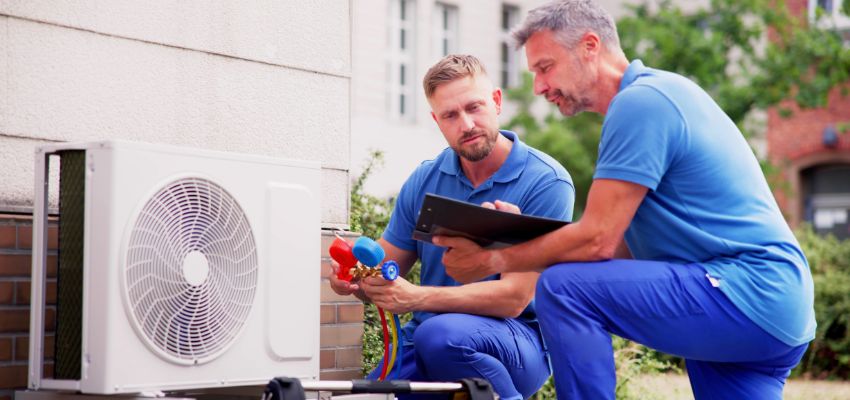
Outdoor AC condenser units often have issues with the:
- Compressor
- Fan blades
- Debris buildup
- Electrical components
Outdoor equipment can go unnoticed for long periods, especially when it’s located on rooftops or away from occupied areas. By the time complaints begin, the underlying problem may have been growing for weeks or months. Periodic inspections can help you catch these problems early.
Why Does Identifying the Noise Location Matter
Knowing the location of the noise helps narrow down the possible causes. For example, a rattling outdoor unit suggests different issues than a squealing indoor air handler. Pinpointing where the sound originates saves time, prevents unnecessary repairs, and leads to a more accurate diagnosis.
What To Check Before Calling an HVAC Service
You can often safely investigate the cause of AC noises before scheduling a service call.
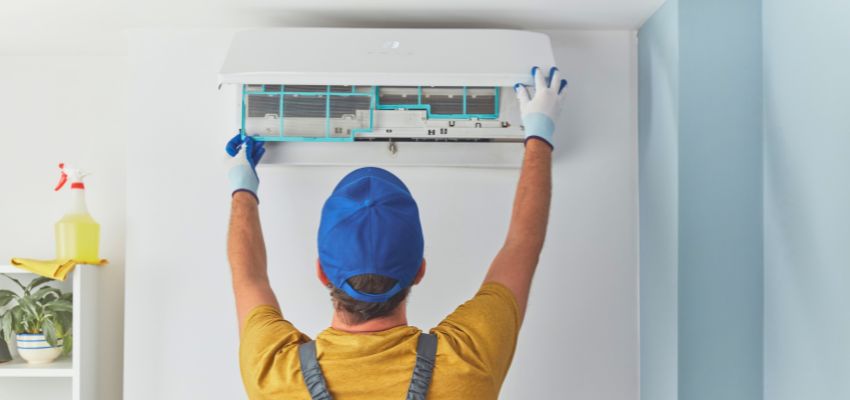
- Inspect the air filter. A clogged filter restricts airflow, which can cause whistling, humming, or other strained noises. Replacing a dirty filter may resolve the noise and improve your AC’s performance.
- Check for loose panels and fasteners. Over time, vibrations can loosen screws and access panels. A quick inspection might reveal a panel rattling while the unit is running.
- Get rid of leaves, dirt, and debris around the condenser. Outdoor units need proper airflow to function correctly. Make sure the area around your condenser does not have leaves, grass clippings, and other debris, as these can interfere with operation and cause unusual noises.
- Verify that vents and registers are open. Blocked vents can restrict airflow, so walk through your home or building to ensure all registers are open and unobstructed.
- Listen for changes during startup and shutdown. Pay attention to when the noise occurs. A sound that appears only during startup may indicate a different issue than one that persists throughout the AC’s operation.
AC Noises That Require Immediate Professional Attention
Some HVAC sounds should never be ignored.
Hissing That May Indicate a Refrigerant Leak
Refrigerant issues can affect your AC’s efficiency, cooling performance, and overall health. It’s best to have a professional diagnose the problem immediately.
Loud Banging From the Compressor Area
Compressor repairs can be expensive, so prompt service is crucial to prevent further damage.
Grinding Metal-on-Metal Sounds
A grinding noise often points to serious mechanical wear. If you continue to run the AC, it could lead to faster component failure.
Persistent Electrical Buzzing
Electrical problems can cause performance issues and safety hazards, so they require professional inspection.
Burning Smells Combined With Unusual Noise
If you hear a noise and smell a burning odor, shut the system off immediately and call an HVAC technician for assistance.
How AC Noise Can Affect Performance and Energy Costs
The noise is often just a symptom. The underlying problem is what affects system performance, operating costs, and long-term reliability.
- Increased system wear and tear. Mechanical issues force HVAC components to work harder, accelerating wear and tear throughout the system.
- Reduced cooling efficiency. Airflow restrictions, damaged motors, and refrigerant issues can all reduce your AC’s cooling effectiveness. This not only makes your space less comfortable but also causes your energy consumption to rise.
- Higher energy consumption. An inefficient system runs longer to achieve the same results, which translates directly into higher utility bills.
- Greater risk of unexpected breakdowns. Many major HVAC failures start as minor issues. Addressing unusual noises early can help you avoid costly emergency repairs down the line.
Repair or Replace? When a Noisy AC Signals a Bigger Problem
A noisy AC doesn’t always need to be replaced.
Situations Where Repair Is Usually the Best Option
Repairing your AC is often a good choice if:
- The system is relatively new
- The problem is with a minor component
- Repair costs are reasonable
- The unit still performs well in general
Signs Replacement May Be More Cost-Effective
Replacement might be the better option if:
- Major parts fail repeatedly
- Repair costs are escalating
- The unit is no longer energy-efficient
- The system has become unreliable
Age, Efficiency, and Repair Cost Considerations
Repair costs, system age, and energy efficiency should all be weighed when deciding whether replacement makes more financial sense.
Considerations for Commercial HVAC Systems
For business owners, the decision to fix or replace an HVAC system extends beyond just the cost. Factors like operational downtime, tenant satisfaction, and employee comfort must also be considered.
How Preventive Maintenance Helps Prevent AC Noise Problems
Many noise-related HVAC problems can be avoided through routine maintenance and inspections.
- Seasonal HVAC tune-ups. Regular inspections can identify worn components before they fail.
- Routine filter changes. Clean filters improve airflow and reduce strain on the system.
- Electrical component inspections. Technicians can identify issues like loose wiring, failing capacitors, and aging electrical components before they become major problems.
- Fan and motor maintenance. Regular lubrication and inspections help keep moving parts running smoothly.
- Ductwork and airflow evaluations. Balanced airflow boosts efficiency and reduces system strain.
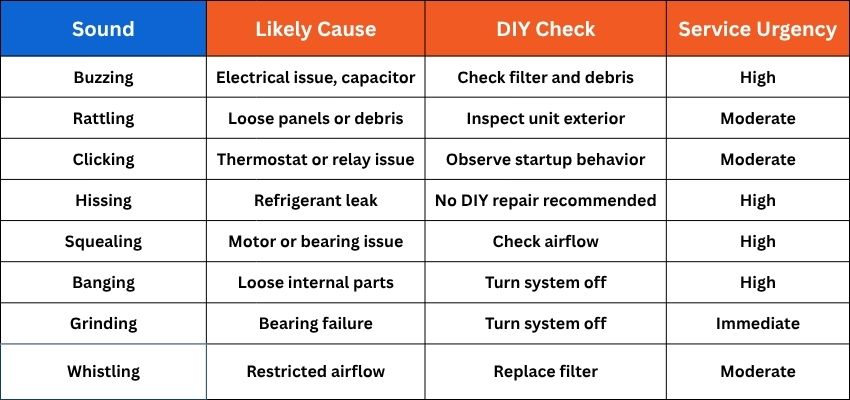
Quick Reference Guide: AC Noise Diagnosis Chart
Frequently Asked Questions
Why is my AC making noise but still cooling?
It’s common for HVAC systems to continue cooling even while a problem develops behind the scenes. A strange noise may be the first indication that a component is wearing out or operating under strain.
Should I turn off my AC if it starts making strange noises?
It depends on the type of sound. If you hear grinding, banging, hissing, or electrical buzzing, you should shut the system down until a professional can inspect it.
Is a buzzing AC dangerous?
A buzzing AC shouldn’t be ignored. In some cases, the sound may point to electrical problems such as loose wiring or a faulty capacitor, both of which require professional attention.
What does a hissing air conditioner mean?
A hissing sound often indicates a refrigerant leak, an air leak, or a pressure-related problem in the system.
Why does my AC make a loud noise when it turns on?
A loud noise when your AC turns on can be caused by compressor issues, loose parts, or electrical problems.
Can a dirty air filter cause AC noise?
Yes, a dirty air filter can hinder the free flow of air, causing whistling, humming, or other strained sounds.
How much does it cost to fix a noisy air conditioner?
Repair costs depend entirely on what’s causing the noise. A loose panel or clogged filter is far different from a failing compressor or motor.
How do I know if my AC compressor is failing?
Warning signs include banging noises, poor cooling, difficulty starting, and higher energy bills.
Can regular HVAC maintenance prevent AC noise problems?
Yes. Preventive upkeep helps identify potential issues before they turn into serious repairs.
Listen to What Your AC Is Telling You
An unusual sound from your AC unit could indicate a simple matter, such as a loose panel or a dirty filter. However, it could also be the first warning sign of a more serious problem, like a refrigerant leak, failing motor, compressor issue, or an electrical fault. Changes in sound often appear long before a complete breakdown. Investigating unusual noises early can help reduce repair costs, improve system reliability, and prevent unexpected cooling interruptions when you need your AC most.
If your AC is making unusual noises and you’re unsure what they mean, the team at Fahrenheit AC can help identify the source of the noise, explain your options, and recommend practical next steps for restoring reliable performance.