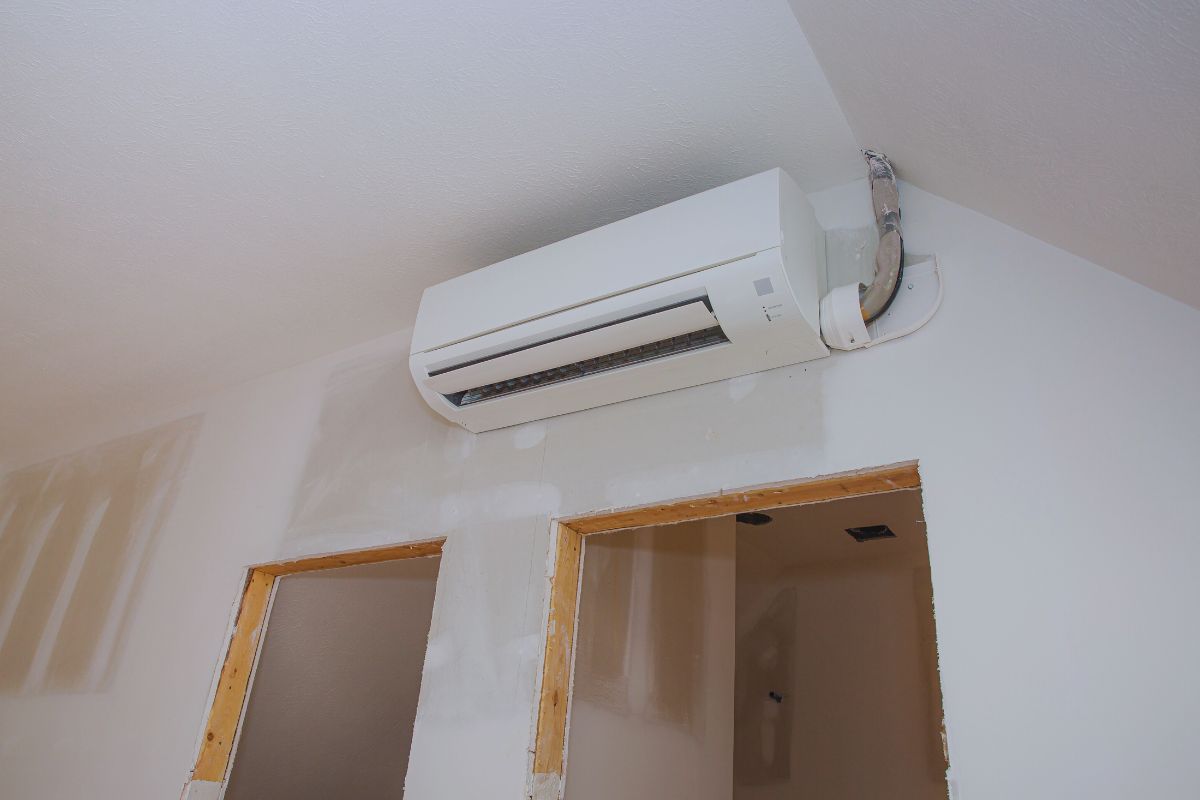
Ductless HVAC systems, also called mini-split systems, bring a fresh way to heat and cool homes. These systems are known for being energy-efficient and easy to install, making them a great option for both new builds and home upgrades.
What Are Ductless HVAC Systems?
A ductless HVAC system has two main parts: an outdoor compressor unit and one or more indoor air-handling units. Unlike traditional systems, which use ducts to carry air through the house, ductless systems deliver air directly to each room or area.
The indoor and outdoor units are linked by a small pipe system, which requires only a three-inch hole in the wall. This makes installation much simpler than adding ductwork to a home.
How Do Ductless Systems Work?
These systems run on heat pump technology. When set to cool, the indoor unit pulls heat from a room and moves it outside. When set to heat, the process reverses, pulling heat from outside to warm the home, even in chilly weather.
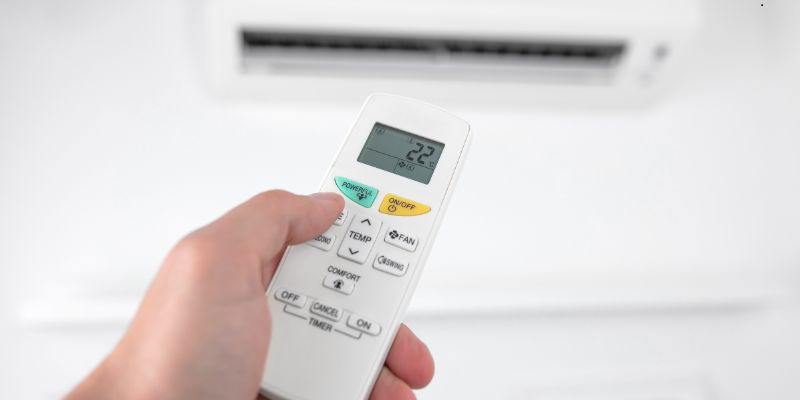
Each indoor unit has its own controls, so you can set different temperatures in different rooms. This zoning feature helps you save energy while ensuring each space is as comfortable as you want it to be.
Why Choose a Ductless HVAC System?
Better Energy Efficiency
Without ducts, there’s no energy loss from leaks or poor insulation, which can waste up to 30% of energy in standard systems. Ductless systems often have SEER ratings of 20 or higher, much better than the 13-16 SEER ratings of typical central air systems.
Easy to Install
Installing a ductless system is quick and hassle-free. Single-zone setups can often be done in a single day, with minimal changes to your home. The small pipe system can go through walls, ceilings, or floors without major construction.
Comfortable Heating and Cooling
With ducts, you get one temperature setting for the whole house. But with ductless systems, you can adjust the temperature in each room or area. For example, you can keep bedrooms cooler at night and save energy in unused spaces during the day.
Quiet Operation
Ductless systems are much quieter than traditional options. Since the outdoor compressor handles most of the heavy work, indoor units produce only a soft hum.
Cleaner Air
With no ducts to gather dust and allergens, ductless systems help improve air quality. Many come with advanced air filters to trap particles and allergens.
Types of Ductless Systems
Single-Zone Systems
This type connects one indoor unit to one outdoor unit. It works well for small spaces like rooms, additions, or apartments.
Multi-Zone Systems
Multi-zone systems pair one outdoor unit with multiple indoor units, usually up to eight. Each indoor unit can be set to its own temperature, letting you personalize comfort in several rooms.
Ceiling-Mounted Units
Mounted into the ceiling, these units are great for areas with limited wall space. They distribute air evenly and are less noticeable.
Wall-Mounted Units
Common and convenient, wall-mounted units go high on walls and provide solid air circulation for the room.
Floor-Mounted Units
Located near the floor, these are a good option for rooms with angled walls or little wall space. They’re also easy to clean and maintain.
Comparing Ductless Systems to Traditional HVAC
Costs
While ductless systems cost more up front per room, they can be cheaper than installing an entire duct system from scratch. Over time, energy savings can help balance out the initial price.
Performance
Ductless systems typically heat or cool spaces faster and more consistently than traditional systems. They also handle humidity better because they target air directly.
Maintenance
Both ductless and traditional systems need care, but ductless systems are generally simpler to maintain. Homeowners can clean filters and perform basic upkeep, while traditional systems usually need professional duct cleaning.
Installation and Setup
Assessing Your Needs
A professional should evaluate your home to determine the right size and number of units. This involves looking at your home’s layout, insulation, windows, and more.
Electrical Setup
Most systems need their own electrical circuit. Your contractor will review your electrical panel, and in some cases, may need to add circuits.
Placement Tips
Indoor units should go where they can move air well, without being blocked by furniture or curtains. Outdoor units need space and protection from extreme weather.
Caring for Your System
Routine Tasks
- Clean or replace filters monthly during heavy use.
- Keep outdoor units free of leaves or debris.
- Have a professional check refrigerant levels and tune up the system once a year.
- Clean indoor coils and drains when needed.
Lifespan
With proper care, a ductless system can last 15-20 years. Many high-quality models come with warranties ranging from 5 to 12 years on parts and compressors.
Costs and Energy Savings
Initial Investment
Single-zone systems range from $2,000 to $5,000, while multi-zone systems can cost between $4,000 and $15,000, depending on the number of indoor units.
Lower Bills
By using energy more efficiently, ductless systems can cut heating and cooling costs by 20-50%, especially in homes with old or leaky ducts.
Rebates and Incentives
Your local energy provider or government may offer rebates for installing high-efficiency ductless systems, helping to reduce costs even further.
Is a Ductless System Right for You?
Consider ductless HVAC systems if:
- Your home doesn’t have ducts.
- You’re remodeling or adding rooms.
- You want better temperature control for specific areas.
- Your current ductwork is expensive to upgrade or repair.
- You’re looking for an energy-efficient option.
Stick with traditional systems if:
- Your existing ducts work well.
- You want HVAC equipment to remain out of sight.
- Your home’s layout doesn’t suit wall-mounted units.
Choosing the Best System
When selecting a ductless system, keep the following in mind:
- Size and capacity based on calculations from a professional.
- Efficiency ratings like SEER and HSPF.
- Brand reliability and warranty terms.
- Experience of the installer.
- Smart features like Wi-Fi controls.
Final Thoughts
Ductless HVAC systems offer an efficient and flexible way to control your home’s temperature. While they may cost more up front, their energy savings, comfort, and ease of use make them a great choice for many households. With the right system and professional installation, you can enjoy years of reliable performance and lower utility bills.
Talk to an HVAC technician to explore your options and see if a ductless system fits your needs and budget. With rebates and efficient operation, it might be the perfect solution for your home.