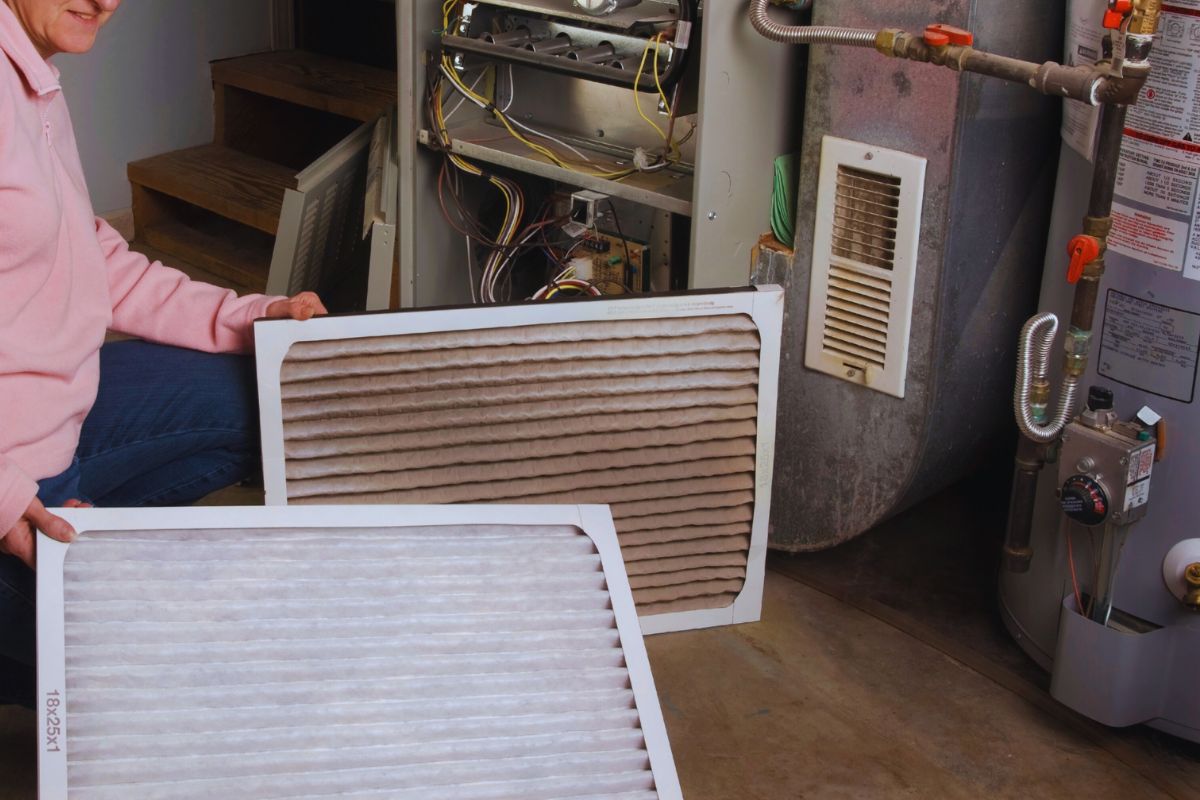
If you’ve ever stood in the air filter aisle at your local hardware store, staring at a wall of pleated white squares and wondering which one to buy, you are not alone. The options can be overwhelming. You see numbers like MERV 8, MERV 11, and MERV 13, and the prices vary wildly.
Is the more expensive filter actually better for your home? Or is it just marketing hype?
As HVAC professionals, we get asked about air filters constantly. The most common battle is between two popular ratings: MERV 8 vs MERV 11. While they look identical to the naked eye, they perform very differently once they are inside your system.
Let’s break down exactly what these ratings mean, how they differ, and which one is the right choice for your specific needs.
What Does MERV Actually Mean?
Before we pit them against each other, we need to define the playing field. MERV stands for Minimum Efficiency Reporting Value. It is a standard scale designed by the American Society of Heating, Refrigerating and Air-Conditioning Engineers (ASHRAE) to rate the effectiveness of air filters.
The scale runs from 1 to 16 for most residential systems.
- Lower numbers (1-4): These are your basic fiberglass filters. They stop big things like carpet fluff and dust bunnies, but let most dust and pollen pass right through.
- Higher numbers (13-16): These are hospital-grade filters that catch bacteria and viruses but can be very restrictive to airflow.
MERV 8 and MERV 11 sit right in the “sweet spot” for residential homes. They offer a balance between cleaning the air and letting your air conditioner breathe.
MERV 8
Think of the MERV 8 filter as the reliable sedan of the air filter world. It gets the job done efficiently without a lot of bells and whistles. For the vast majority of homeowners, a MERV 8 filter is more than sufficient.
What it catches: MERV 8 filters are designed to trap particles ranging from 3.0 to 10.0 microns. This includes:
- Pollen
- Dust mites
- Mold spores
- Household dust
- Lint and carpet fibers
The Pros: The biggest advantage of a MERV 8 filter is airflow. Because the weave of the filter material isn’t as tight as higher ratings, your HVAC system doesn’t have to work as hard to pull air through it. This keeps your energy bills lower and reduces strain on your blower motor.
The Cons: It won’t catch the tiny stuff. If you have significant allergies or pets that shed fine dander, a MERV 8 might let those smaller irritants circulate back into your room.
MERV 11
If MERV 8 is the standard sedan, MERV 11 is the upgraded model with the luxury package. It has a tighter weave, which means it catches smaller particles that the MERV 8 misses.
What it catches: MERV 11 filters trap particles in the 1.0 to 3.0 micron range, in addition to everything the MERV 8 catches. This list includes:
- Pet dander
- Auto emissions
- Smog
- Fine dust
- Some bacteria
The Pros: The main selling point here is improved indoor air quality. If you sneeze the moment spring arrives, or if you have a cat or dog, a MERV 11 filter can significantly reduce the irritants floating in your air.
The Cons: The “tightness” that helps catch small particles also restricts airflow. If your HVAC system is older, has undersized ductwork, or a weak motor, a MERV 11 filter can act like a mask over the system’s face, making it struggle to breathe. This can lead to higher energy bills or, in severe cases, a frozen evaporator coil or overheated furnace.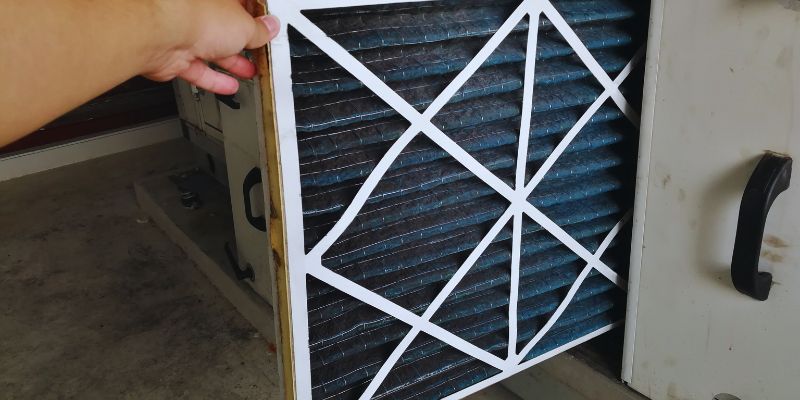
The Head-to-Head Comparison
To make this easy, let’s look at the key differences side-by-side.
1. Particle Capture Efficiency
- MERV 8: Captures about 70-85% of large particles (pollen, dust).
- MERV 11: Captures 85-95% of large particles, plus over 65% of smaller particles (pet dander, smog).
Winner: MERV 11 for pure filtration power.
2. Airflow and System Health
- MERV 8: Low resistance. Gentle on your HVAC equipment.
- MERV 11: Higher resistance (pressure drop). Can strain older systems.
Winner: MERV 8 for equipment safety and longevity.
3. Cost
- MERV 8: Generally cheaper per filter.
- MERV 11: Usually costs a few dollars more per unit.
Winner: MERV 8 for budget-conscious homeowners.
Which One Should You Choose?
There is no single “best” filter, only the best filter for your home. Here is our expert advice on how to decide.
Stick with MERV 8 if:
- You don’t have pets.
- Nobody in the home has severe allergies or asthma.
- You are budget-conscious.
- You have an older HVAC system (10+ years old) and want to minimize strain on the motor.
Upgrade to MERV 11 if:
- You have multiple pets (especially shedding ones).
- Someone in the house suffers from respiratory issues or seasonal allergies.
- You live in an area with outdoor pollution, smog, or construction dust.
- Your HVAC system is newer and can handle the slightly increased restriction.
A Critical Warning on High MERV Ratings
We often see homeowners buy the highest number they can find (like MERV 13 or higher), thinking “more is better.” Be careful. If a filter is too restrictive, it reduces the airflow over your system’s coil. In the summer, this can cause your AC coil to freeze up. In the winter, it can cause your furnace to overheat and shut down.
Always check your HVAC manual to see the maximum MERV rating your specific unit can handle.
Keep Your System Running Smoothly with Fahrenheit AC
Choosing the right filter is just one piece of the puzzle. Even the best filter in the world can’t save a system that hasn’t been maintained. That’s where we come in.
At Fahrenheit AC, we understand that Florida’s climate demands a lot from your air conditioning. We don’t just fix broken units; we help you optimize your home comfort. Whether you need advice on the right filtration for your specific allergies or a seasonal tune-up to ensure your motor can handle a MERV 11 upgrade, our team is here to help.
We serve homeowners across Florida with honest, expert service. If you aren’t sure if your system is ready for a higher-efficiency filter, let us check your static pressure and give you a professional recommendation.
Visit us at Fahrenheit AC to schedule your maintenance today.
Conclusion
The battle of MERV 8 vs MERV 11 comes down to a trade-off: Airflow vs. Filtration.
For most standard households, a MERV 8 pleated filter provides excellent protection for your equipment and decent dust control for your home. However, if you are fighting pet dander or allergies, the MERV 11 is a worthy upgrade, provided your system is strong enough to handle it.
Whichever you choose, the most important rule of all remains the same: Change it regularly. A clean MERV 8 is infinitely better than a clogged MERV 11. Check your filter every 30 days, replace it when it’s dirty, and breathe easier knowing you’ve made an informed choice.