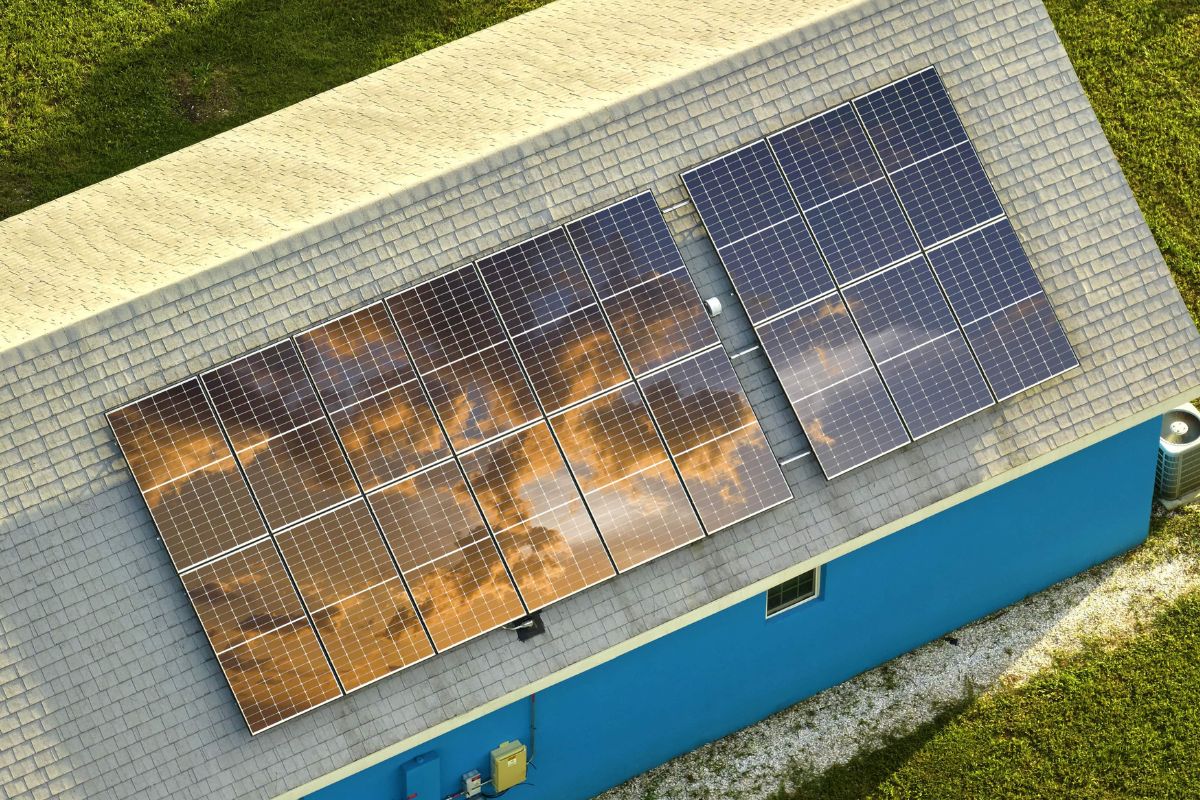
Solar panels are becoming a more common sight on rooftops across the country. You might have seen them in your neighborhood and wondered if they live up to their reputation. As a renewable energy source, solar power offers a way to generate clean electricity right from your home. But like any major home upgrade, it’s a decision that requires careful thought.
This article will walk you through the pros and cons of solar panels. We’ll explore how they can save you money and reduce your carbon footprint, but also look at the potential drawbacks like initial costs and installation requirements. By the end, you’ll have a clearer picture of whether going solar is the right move for you.
Installing Solar Panels: Advantages
Switching to solar energy comes with a host of benefits that appeal to homeowners for both financial and environmental reasons. Here are some of the most compelling reasons to consider making the switch.
1. Lower or Eliminate Your Electricity Bills
One of the biggest draws of solar panels is the potential for significant savings on your monthly utility bills. When your panels generate electricity, you use that power first, reducing your reliance on the grid. Over the 25 to 30-year lifespan of a typical solar panel system, these savings can add up to tens of thousands of dollars. In some cases, homeowners can even eliminate their electricity bills entirely.
2. Increase Your Home’s Value
Investing in a solar panel system can also increase your property’s resale value. Studies have shown that homes with solar panels often sell for more than comparable homes without them. Buyers see the long-term value in lower energy costs, making your home more attractive on the market. This means you could recoup your initial investment, and possibly more, if you decide to sell.
3. Reduce Your Carbon Footprint
Solar energy is a clean, renewable resource. Unlike traditional energy sources like coal and natural gas, solar power doesn’t release harmful greenhouse gases into the atmosphere. By generating your own clean electricity, you actively reduce your household’s carbon footprint and contribute to a healthier environment. It’s a powerful way to make a positive impact.
4. Protect Against Rising Energy Costs
Utility rates have a history of increasing over time. When you install solar panels, you lock in your energy costs for decades. Once your system is paid for, the electricity it generates is essentially free. This provides a stable and predictable energy budget, protecting you from future price hikes and market volatility.
5. Low Maintenance Requirements
Solar panels are surprisingly durable and require very little upkeep. They have no moving parts, which minimizes the risk of mechanical failure. Generally, they just need an occasional cleaning to remove dust, leaves, or snow to ensure they are operating at peak efficiency. Most reputable installers offer warranties that cover performance and equipment for many years, giving you peace of mind.
Installing Solar Panels: Disadvantages
While the benefits are significant, solar panels aren’t a perfect solution for everyone. It’s important to consider the potential downsides before making a commitment.
1. High Upfront Cost
The initial investment is one of the biggest hurdles for many homeowners. Buying and installing a complete solar panel system can cost thousands of dollars. While federal tax credits and state incentives can help offset this expense, it remains a substantial upfront cost. Financing options like solar loans can make it more accessible, but it’s a financial commitment you need to plan for.
2. Not All Roofs Are Suitable
The effectiveness of solar panels depends heavily on your roof. Ideally, you need a south-facing roof with a slope between 15 and 40 degrees to capture the most sunlight. Roofs facing east or west can still work, but they may be less efficient. Additionally, roofing materials like slate or cedar can make installation more complex and expensive. Significant shade from trees or nearby buildings can also reduce energy production.
3. The Payback Period Takes Time
While solar panels save you money over time, it takes a while to break even on your investment. The average solar panel payback period in the U.S. is around 10 years. This means if you plan on moving in the near future, you may not live in the home long enough to realize the full financial benefits of your system.
4. Energy Storage Can Be Expensive
Solar panels only generate electricity when the sun is shining. To have power at night or during cloudy days, you need a way to store the excess energy your panels produce. Home battery systems are the most common solution, but they add a significant cost to your overall installation. Without a battery, you will still rely on the grid for power when your panels aren’t producing.
5. Environmental Impact of Manufacturing
Although solar energy is clean once installed, the manufacturing process for panels and batteries is not without an environmental footprint. The production requires energy, often from fossil fuels, and involves mining for materials like silicon and lithium. As panels reach the end of their life, proper recycling is necessary to prevent hazardous materials from entering the environment.
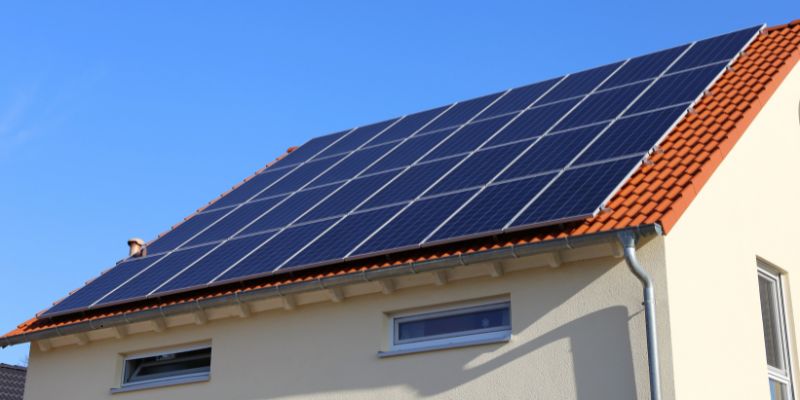
Solar Panels and Your HVAC System
When considering the pros and cons of solar panels, it’s also worth thinking about how they integrate with your home’s other major systems, especially your heating, ventilation, and air conditioning (HVAC). Your HVAC system is typically the largest energy consumer in your home. Pairing it with a solar panel system can lead to substantial savings.
At Fahrenheit AC, we specialize in high-efficiency HVAC systems that are perfectly compatible with solar power. An energy-efficient air conditioner or heat pump will draw less electricity, allowing your solar panels to power more of your home’s needs. This synergy maximizes your energy independence and savings.
Before you go solar, let us perform an energy audit to ensure your HVAC system is optimized to work alongside your new panels. A well-matched system ensures you get the most out of your investment in clean energy.
So, Are Solar Panels Worth It?
For many homeowners, the answer is a resounding yes. The long-term financial savings, increased home value, and positive environmental impact often outweigh the initial costs and potential drawbacks. However, the decision ultimately depends on your specific circumstances, including your home’s location, your roof’s condition, your electricity usage, and your financial situation.
By weighing the pros and cons of solar panels, you can determine if this powerful technology is the right investment for your home and your future.