
When it comes to keeping your home comfortable year-round, choosing the right HVAC system is crucial. Mini split air conditioning systems, also known as ductless systems, have gained popularity for their energy efficiency and flexibility.
But are they the right choice for your home? Let’s dive into the pros and cons of mini split AC systems to help you make an informed decision.
The Pros of Mini Split AC Systems
1. Energy Efficiency
Mini splits are designed to deliver cooling and heating directly to specific areas, avoiding the energy losses associated with ductwork. In fact, ductwork in traditional systems can account for up to 30% of energy consumption. With mini splits, you can enjoy higher efficiency and lower utility bills.
2. Zoning Capabilities
One of the standout features of mini splits is their zoning capability. Each indoor unit operates independently, allowing you to customize the temperature in different rooms. This is perfect for households with varying comfort preferences.
3. Easy Installation
Unlike traditional HVAC systems that require extensive ductwork, mini-splits only need a small hole in the wall to connect the indoor and outdoor units. This makes them a great option for older homes or spaces where installing ducts is impractical.
4. Quiet Operation
Mini splits are known for their whisper-quiet performance. With noise levels as low as 19 decibels, they’re ideal for bedrooms, home offices, or any space where peace and quiet are essential.
5. Versatility
Whether you’re converting a garage, adding a sunroom, or upgrading an older home, mini splits offer a flexible solution. They’re also a great choice for high-performance, net-zero energy homes.
The Cons of Mini Split AC Systems
1. Higher Upfront Costs
Mini splits can be more expensive to install compared to traditional systems. However, their energy efficiency often leads to long-term savings that offset the initial investment.
2. Aesthetic Concerns
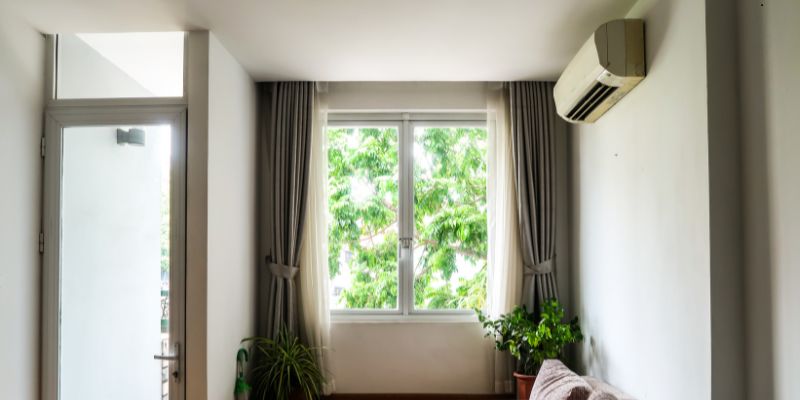
The indoor units of mini-splits are wall-mounted and visible, which may not appeal to everyone’s design preferences. While they’re sleek and modern, they don’t offer the hidden look of central air systems.
3. Maintenance Requirements
Regular maintenance, such as cleaning filters and checking refrigerant levels, is essential to keep mini splits running efficiently. While some tasks are DIY-friendly, others may require professional assistance.
4. Performance in Extreme Temperatures
In very cold climates, mini splits may struggle to maintain optimal heating performance. Supplemental heating might be necessary during harsh winters.
Why Choose Fahrenheit AC for Your Mini Split Needs?
If you’re considering a mini split system, professional installation and maintenance are key to maximizing its benefits. At Fahrenheit AC, we specialize in providing top-notch HVAC services tailored to your needs. Whether you’re upgrading your home’s cooling system or adding comfort to a new space, our experienced technicians are here to help.
From system selection to installation and ongoing maintenance, Fahrenheit AC ensures your mini split system operates at peak performance. Contact us today to learn more about our services and how we can enhance your home’s comfort and efficiency.
Final Thoughts
Mini split AC systems offer a range of benefits, from energy efficiency to customizable comfort. However, they’re not without their drawbacks. By weighing the pros and cons, you can determine if a mini split system is the right fit for your home. And when you’re ready to make the switch, Fahrenheit AC is here to guide you every step of the way.