Why Is My AC Not Working? Top Causes and What to Check
By Rei Bayucca · Published July 15, 2026

There’s nothing worse than stepping inside on a sweltering Florida afternoon to find your home feels like a sauna. With relentless heat and humidity, air conditioners in Florida often run for hours, so even minor wear and tear can quickly cause a costly breakdown.
The good news is the answer to “why is my AC not working” doesn’t always require a service call. Many problems stem from something simple, like a dead thermostat battery, a tripped breaker, or a clogged air filter you can check in minutes.
Start with a few quick checks that often solve the problem. If those don’t work, review the most common causes of AC failure, match symptoms to likely issues, and follow the safe troubleshooting steps below before calling an HVAC professional.
Why Is My AC Not Working? Check These First
Before assuming the worst, start with the basics. Many AC problems can be traced to one of these simple checks.
Is Your Thermostat Causing the Problem?
Make sure your thermostat is set to “Cool,” not “Heat,” “Off,” or “Fan Only.” The temperature setting should be lower than the current room temperature.
Check for a Tripped Circuit Breaker
Locate the breaker labeled for your AC or HVAC system. If it’s tripped, reset it once. If it trips again immediately, you likely have an electrical issue, not a temporary overload, and should call a professional.
Check Whether a Dirty Air Filter Is Restricting Airflow
A clogged air filter is one of the most common and preventable causes of AC problems. Check your filter monthly during peak cooling season and replace it as needed, usually every one to three months depending on the filter type, your home’s conditions, and manufacturer’s recommendations.
A dirty filter delays airflow, forcing your system to work harder while reducing cooling performance.
Confirm Both Parts of Your AC System Have Power
Central air conditioning systems usually have a disconnect switch near both the indoor air handler and outdoor condenser. These switches can be turned off accidentally during yard work or maintenance. Verify both are in the “On” position before assuming a larger problem.
The Most Common Reasons Your AC Stops Working
If you’ve checked the basics and your AC still isn’t cooling, one of these issues is likely responsible.
Dirty Air Filters Can Reduce Cooling Performance
A severely clogged filter can restrict airflow so your system can’t remove heat and humidity effectively. The result is warm rooms, even though the unit appears to run normally.
A Frozen Evaporator Coil Can Shut Down Cooling
Restricted airflow, low refrigerant, or blocked supply vents can cause ice to form on the evaporator coil. Once frozen, airflow drops dramatically and cooling stops until the ice melts.
Low Refrigerant Levels or a Refrigerant Leak
Refrigerant isn’t consumed during normal operation. If levels are low, the system almost always has a leak. Finding and repairing leaks requires specialized equipment and should only be done by an EPA-certified technician.
A Failed Capacitor or Contactor Can Prevent Startup
The outdoor unit depends on capacitors and contactors to start the compressor and fan motor. These electrical components wear out over time and are common causes of an outdoor unit that hums but won’t start.
Dirty Outdoor Coils Reduce Cooling Efficiency
The condenser coils release heat absorbed from inside your home. When coated with dirt, pollen, or grass clippings, the system struggles to shed heat, reducing efficiency and making it harder to cool your home.
Compressor Failure Can Stop Your AC Completely
The compressor is the heart of your outdoor unit. Compressor failure is one of the most expensive AC repairs. It often develops after years of heavy use, overheating, electrical issues, or deferred maintenance.
A Blocked Condensate Drain Can Shut Down Your System
As your AC removes humidity from the air, condensation drains through a dedicated line. If the drain clogs, many modern systems activate a safety switch that turns the unit down to prevent water damage.
Electrical Problems Can Prevent Your AC From Running
Loose wiring, blown fuses, faulty relays, or a failed transformer can prevent your system from starting or staying on. Because electrical faults pose shock and fire hazards, they’re best handled by a licensed HVAC technician.

What Your AC Symptoms Can Tell You About the Problem
How your AC behaves can provide useful clues about what’s wrong. Match each symptom to the most likely cause to troubleshoot more effectively and explain the issue when scheduling service.
If Your AC Won’t Start
A system that won’t turn on often indicates a power issue, such as a tripped breaker, dead thermostat batteries, a turned-off disconnect switch, or a blown fuse.
AC Running but Not Cooling?
If the system runs but your home stays warm, common causes include a dirty air filter, frozen evaporator coil, low refrigerant, or dirty condenser coils.
Why Is Warm Air Coming From Your Vents?
Warm air from the vents may indicate restricted airflow, low refrigerant, dirty coils, or a thermostat accidentally switched to heating mode.
Outdoor Condenser Running, but Indoor Unit Isn’t
Start by checking the indoor breaker and disconnect switch. If the outdoor unit runs while the indoor air handler doesn’t, the issue is often isolated to the indoor part of the system.
Safe AC Troubleshooting Steps Every Homeowner Can Try
A few simple checks are safe to perform and don’t require special tools.
-
Reset or Reprogram the Thermostat. Replace the thermostat batteries if the display is blank, then verify it’s set to “Cool” and set below the current room temperature.
Install a Clean Air Filter. Swap out the old filter for one that matches your system’s correct size and rating. This simple fix resolves many AC cooling complaints.
Inspect Your Home’s Electrical Panel. If the AC breaker has tripped, reset it once. If it trips again, leave it off and schedule professional service.
Improve Airflow Around the Outdoor Unit. Keep the area around the condenser clear of leaves, weeds, and debris. You can gently rinse the outdoor coils with a garden hose to remove loose dirt. Avoid using a pressure washer, which can damage the delicate fins.
Leave Refrigerant and Electrical Repairs to the Pros. Refrigerant work requires EPA certification, and electrical repairs can be hazardous. If troubleshooting points to either issue, it’s safest to leave repairs to a licensed HVAC professional.
Signs It’s Time To Call an HVAC Technician
These warning signs indicate the problem is beyond basic troubleshooting. If you see any of them, skip the rest of the checks and call an HVAC technician.
Troubleshooting Didn’t Solve the Problem
If you’ve checked the thermostat, breaker, air filter, and disconnect switches but your system still isn’t cooling, the issue is likely mechanical or electrical and requires professional diagnosis.
Your Breaker Trips Every Time the AC Starts
A breaker that keeps tripping signals an underlying electrical fault and should not be repeatedly reset.
Ice Continues to Build Up on the AC
If ice returns after you’ve replaced the filter and allowed the system to thaw, the underlying airflow or refrigerant problem still needs to be addressed.
Unusual Sounds or Burning Odors
Grinding, squealing, buzzing, or burning smells are all signs that your AC should be inspected as soon as possible to prevent further damage.
Water Around Your Indoor Unit
Water pooling around the indoor unit often indicates a blocked condensate drain line or another drainage problem that can lead to water damage if left untreated.
Frequently Asked Questions
Why is my AC not working, but the fan still functions?
In many cases, the compressor isn’t starting, the refrigerant level is low due to a leak, or the evaporator coil has frozen.
Why isn’t my AC working even though the thermostat is on?
Start by checking the thermostat batteries and confirming it’s set to cooling mode. Then inspect the breaker and disconnect switches. The thermostat may still have power even if the heating and cooling equipment does not.
Why isn’t my AC working in my house, but the outside unit is running?
This often indicates a power issue affecting the indoor air handler, such as a tripped breaker or a switched-off disconnect.
Can a clogged air filter cause my AC to stop working?
Yes. A severely clogged filter can limit airflow enough to freeze the evaporator coil or trigger a system safety shutdown.
Why is my AC running but not cooling my house?
The usual causes include a dirty air filter, a frozen evaporator coil, low refrigerant, or dirty condenser coils.
Should I reset my AC before calling an HVAC technician?
Resetting a tripped breaker once is reasonable. If it trips again or the system still won’t cool after basic troubleshooting, it’s time to call a professional.
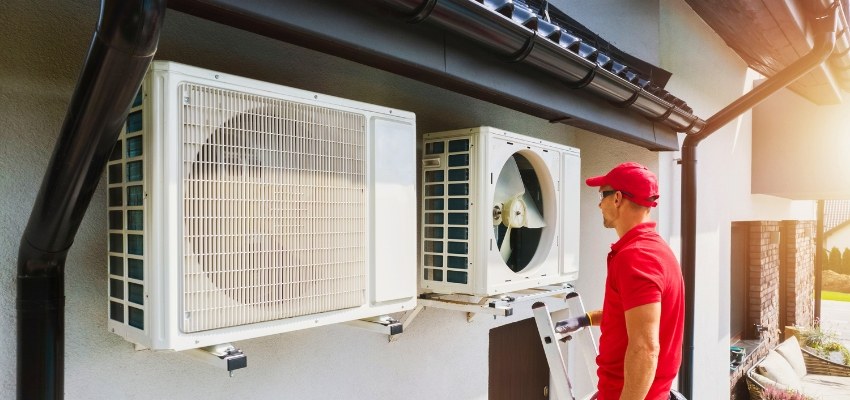

Know When To Troubleshoot and When To Call a Pro
Most AC failures can be traced to a handful of common issues, including dead thermostat batteries, tripped breakers, dirty air filters, failed capacitors, or refrigerant leaks. Work through these basic checks first, then decide whether the problem is something you can resolve yourself or one that requires professional repair. If your AC still isn’t cooling after these steps, contact a professional to get your system cooling reliably again.
If your AC isn’t cooling after these troubleshooting steps, don’t let the Florida heat take over your home. Contact Fahrenheit AC to schedule a professional diagnosis and get your system cooling reliably again.

Rei Bayucca is the lead writer for the Fahrenheit AC blog, covering air conditioning, heating, and indoor air quality for South Florida homeowners.
Need a hand with your AC?
Fahrenheit AC serves Broward, Palm Beach, and Miami-Dade counties.
(954) 793-8610Request ServiceNeed a hand with your AC?
Fahrenheit AC serves Broward, Palm Beach, and Miami-Dade counties.
(954) 793-8610Request Service