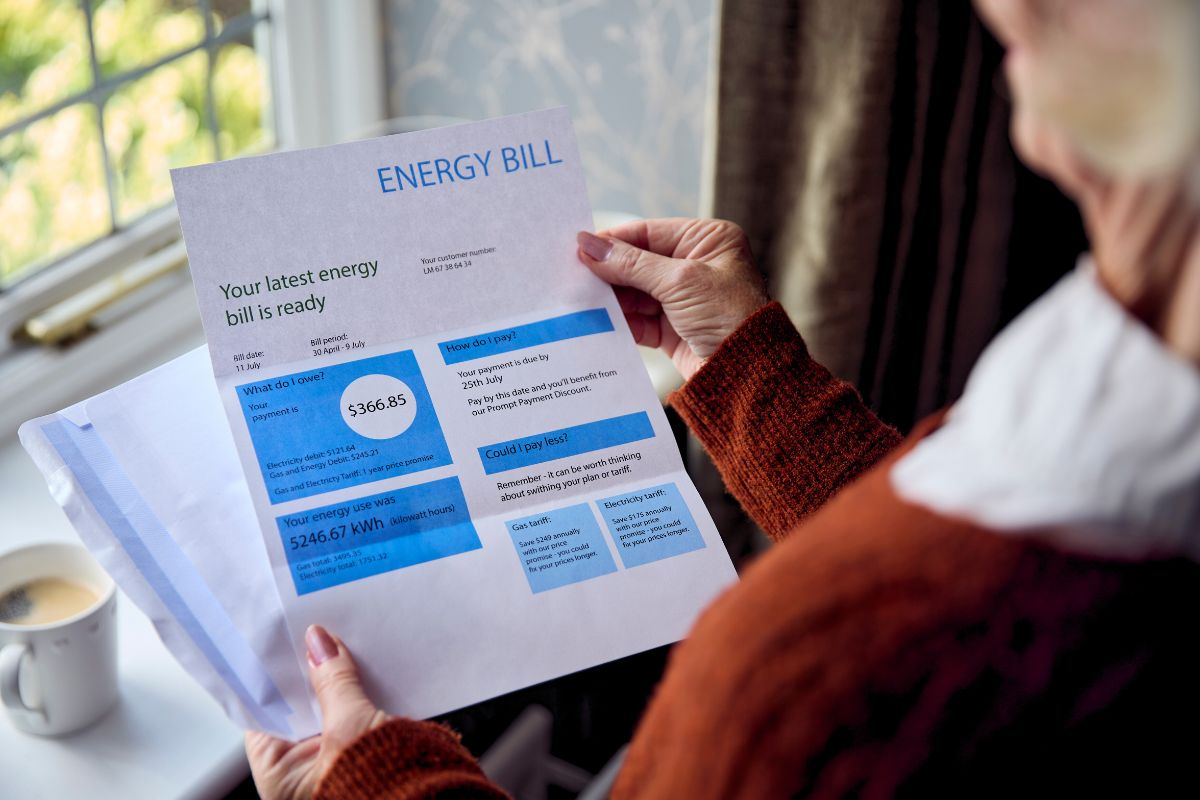
Have you ever looked at a new air conditioner and wondered what the big sticker with a number on it means? That number is the SEER rating, and it holds the key to your home’s comfort and your monthly budget.
When it is time to upgrade your cooling system, understanding this rating helps you make a smart investment. You do not want to spend thousands of dollars on a system that costs a fortune to run. Instead, you want a unit that cools your home perfectly while keeping your utility costs manageable.
In this guide, we will break down exactly what a SEER rating is and how it is calculated. We will also explore the recent shift to SEER2 standards and explain why higher ratings bring serious benefits. Finally, you will learn how to choose the right efficiency level for your Florida home.
What Does SEER Actually Mean?
SEER stands for Seasonal Energy Efficiency Ratio. It is the standard measurement used to determine how efficiently an air conditioner or heat pump cools your home. You can think of it like the miles-per-gallon (MPG) rating on a car.
A car with a higher MPG uses less gas to get you to your destination. Similarly, an air conditioner with a higher SEER rating uses less electricity to reach your desired indoor temperature. This means a more efficient system can cool your home just as well as an older unit, but for a fraction of the cost.
How Is the SEER Rating Calculated?
The math behind the rating is relatively straightforward. The SEER rating is calculated by dividing a system’s total cooling output over a typical cooling season by the total electrical energy it consumes during that same period.
The cooling output is measured in British Thermal Units (BTUs), while the energy consumed is measured in watt-hours. The testing simulates a variety of outdoor temperatures ranging from 65°F to 104°F. This creates an average efficiency rating that reflects how the system will perform across an entire summer.
SEER vs. SEER2: Understanding the New Standards
If you have been shopping for a new HVAC system recently, you might have noticed the term “SEER2” floating around. Effective January 1, 2023, the Department of Energy updated the testing procedures and minimum efficiency standards for all new cooling systems.
Why the Change to SEER2?
The original SEER testing procedure was helpful, but it did not fully account for real-world conditions. For example, it did not properly simulate the resistance air faces when moving through the ductwork in a typical home.
The new SEER2 standard uses an updated testing procedure that increases the system’s external static pressure by a factor of five. This forces the system to work harder during testing, giving you a much more accurate picture of how it will perform once installed in your house.
What This Means for You
Because the SEER2 test is more rigorous, the resulting numbers are slightly lower than the old SEER numbers for the exact same equipment. A system that previously rated as a 15 SEER might now rate as a 14.3 SEER2.
Additionally, the minimum efficiency requirements were raised nationwide. In southern states like Florida, where we rely heavily on our air conditioning, the minimum standard for new residential systems is now 14.3 SEER2 (roughly equivalent to the old 15 SEER).
The Big Benefits of a High SEER Rating
Investing in an air conditioner with a high SEER rating comes with several major advantages. While these premium systems often have a higher upfront cost, they pay you back in multiple ways over their lifespan.
Significantly Lower Energy Bills
The most immediate benefit of a high SEER rating is the reduction in your monthly utility bills. High-efficiency systems often use variable-speed compressors. Instead of just turning on at 100% capacity and then shutting completely off, they can run at lower speeds to maintain your temperature.
This eliminates the frequent, energy-hungry starting and stopping of single-stage units. Upgrading from an old 10 SEER unit to a new 18 SEER2 unit can cut your cooling costs by a massive margin. Over the 10 to 15-year life of the system, those monthly savings add up to thousands of dollars.
Superior Home Comfort and Humidity Control
Florida summers are famous for their oppressive humidity. A standard air conditioner often cools the house so fast that it shuts off before it has time to remove the excess moisture from the air. This leaves your home feeling cool but uncomfortably clammy.
High SEER systems solve this problem beautifully. Because they run for longer periods at lower capacities, they constantly pull moisture out of the indoor air. The result is a crisp, dry, and perfectly balanced indoor environment that feels incredible.
Reduced Environmental Impact
If you care about reducing your carbon footprint, a high SEER rating is the way to go. Air conditioners are typically the largest consumers of electricity in a home. By using less power to achieve the same cooling effect, you are pulling less energy from the power grid.
This reduction in energy consumption directly lowers greenhouse gas emissions. You get to stay completely comfortable while knowing you are doing your part to protect the environment.
Quieter Operation
Older, less efficient HVAC systems can be incredibly loud. When they kick on, you might have to turn up the volume on your television or pause your conversation.
High-efficiency systems are designed with sound reduction in mind. Thanks to their variable-speed technology and advanced compressor designs, they operate at a whisper-quiet level. You will barely even notice when the system is running.
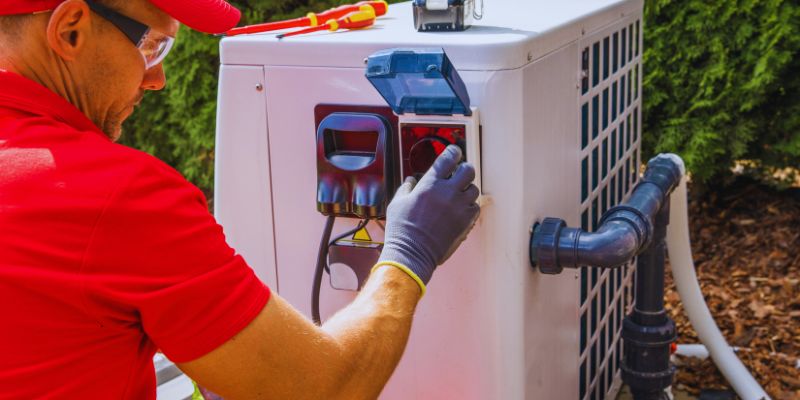
What Is a Good SEER Rating for Florida Homes?
Because our cooling season is so long and intense, Florida homeowners benefit immensely from higher SEER ratings. While the legal minimum is 14.3 SEER2, we often recommend going higher to maximize your comfort and savings.
A system in the 15 to 17 SEER2 range offers a fantastic balance of upfront affordability and solid monthly energy savings. These systems are perfect for homeowners looking for a reliable, efficient upgrade without breaking the bank.
If you plan to stay in your home for many years, investing in an 18 to 20+ SEER2 system is highly recommended. These ultra-efficient units offer the absolute best in humidity control and energy savings. They often qualify for special tax credits and utility rebates, which help offset the initial purchase price.
Trust Fahrenheit Air Conditioning & Heating for Your HVAC Needs
Choosing the right SEER rating for your home can feel overwhelming, but you do not have to make the decision alone. At Fahrenheit Air Conditioning & Heating, we specialize in helping Florida homeowners find the perfect cooling solutions for their unique needs and budgets.
We understand the demands that our local climate places on HVAC equipment. Our expert technicians will evaluate your home’s size, layout, and existing ductwork to recommend a system that delivers flawless performance. We take pride in offering top-tier, energy-efficient systems that keep you comfortable all year long.
When you partner with us, you get honest advice, transparent pricing, and professional installation. Let our team show you how a high-efficiency system can transform your home comfort and shrink your energy bills.
Take the Next Step Toward Better Cooling
Understanding SEER and SEER2 ratings gives you the power to make an informed choice for your home. You now know that higher ratings mean lower bills, better humidity control, and a quieter home environment.
Do not settle for an inefficient system that drains your wallet every month. Assess your current air conditioner’s age and performance. If your bills are creeping up and your home feels humid, it might be time for an upgrade.
Reach out to a trusted HVAC professional to discuss your options. With the right high-SEER system in place, you can look forward to a cooler, more comfortable, and more affordable summer.