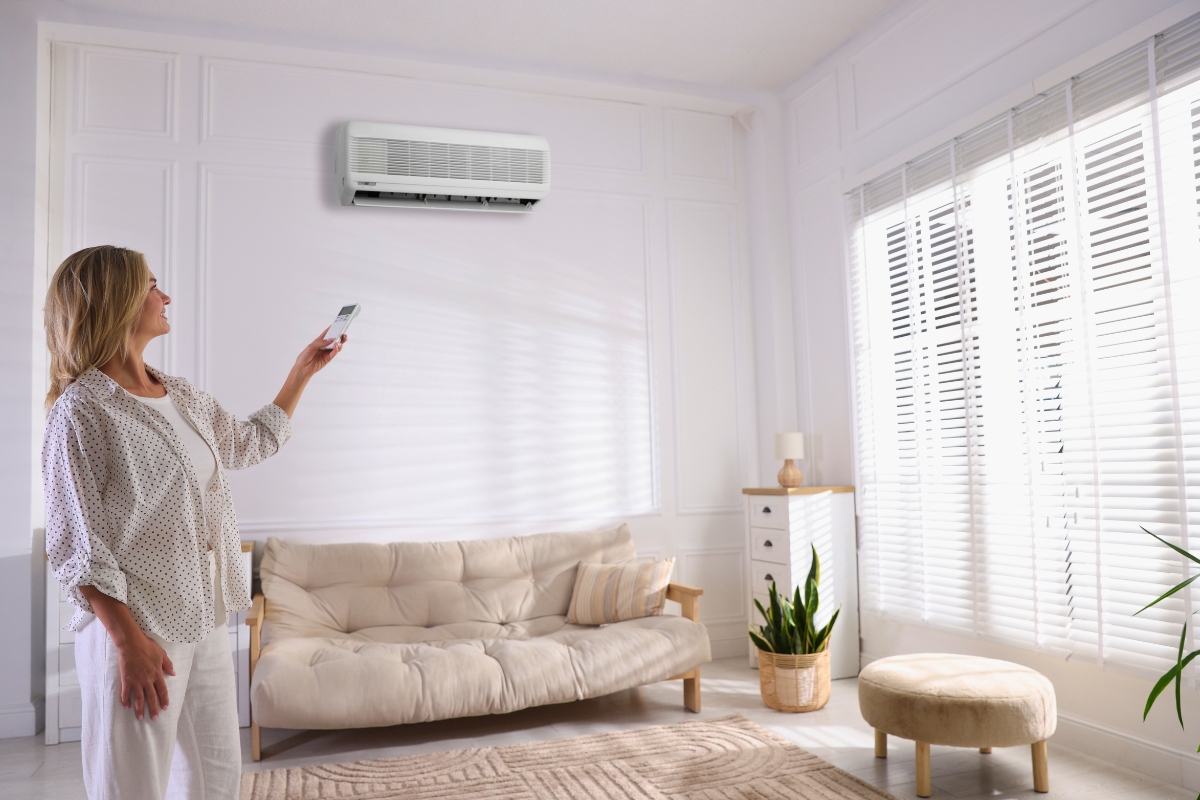
Is the air in your home uncomfortable or stale? Modern, energy-efficient homes help you save on utilities, but they can also trap allergens, moisture, and pollutants that affect your comfort and health. Opening a window may bring in fresh air, but it can also force your heating and cooling system to work harder. An ERV system offers a smarter solution. The system acts like your home’s lungs. It continuously replaces stale indoor air with filtered outdoor air. It also helps maintain indoor temperatures and humidity levels.
In this article, we’ll explain how ERV systems work, their average costs, key benefits, and potential drawbacks. You’ll also learn how to determine if this upgrade is right for your property, and compare it to traditional ventilation methods.
What Is An ERV System?
An Energy Recovery Ventilator (ERV) exchanges stale indoor air with fresh outdoor air. It transfers heat and moisture between the two air streams without mixing them directly. The system’s specialized core captures energy from the outgoing air before exhausting it.
In winter, the ERV uses heat from the exhaust air to warm the incoming cold air. In summer, it transfers heat and humidity from incoming air to outgoing air, reducing both. This process improves ventilation without overworking your HVAC system.
Key Components Of An ERV System HVAC Setup
A standard ERV system includes the following components:
- Heat exchange core: Transfers heat and moisture
- Intake and exhaust air channels: Keep incoming and outgoing air separate
- High-efficiency fans: Move air through the system
- Air filters: Capture outdoor pollutants
- Duct connections: Integrate with your existing HVAC system or operate independently
The specific configuration will vary based on your home’s layout and ventilation requirements.
ERV Vs. Traditional Ventilation Systems
Traditional ventilation methods, like opening windows or using exhaust fans, eject stale indoor air. However, these methods also allow your heated or cooled air to escape. An ERV system operates more efficiently because it recovers and reuses much of the energy from your indoor air before exhausting it.
How An ERV System Improves Home Comfort
An ERV system improves home comfort in several ways:
- Prevents stuffy indoor air: The system continuously circulates fresh, filtered outdoor air throughout your home, preventing rooms from feeling stuffy in any season.
- Maintains more consistent temperatures: It preconditions incoming air, reducing cold drafts in winter and hot spots in summer.
- Helps balance indoor humidity: The system transfers moisture between outgoing and incoming air streams. It reduces humidity in warmer months and retains humidity during colder weather.
- Provides controlled ventilation: Unlike opening windows, the system delivers a steady flow of outdoor air without causing sudden temperature swings or drafts.
- Supports a healthier indoor environment: Continuous air circulation reduces indoor pollutants like CO₂, VOCs, allergens, dust, and odors.
Main Benefits Of Installing An ERV System
Improved Energy Efficiency Over Time
By recovering thermal energy from outgoing air, the system uses less energy to heat or cool incoming fresh air. This efficiency can lower your monthly utility bills.
Lower Strain On Heating And Cooling Systems
Because air entering your home is already partially conditioned, your furnace and air conditioner work less. They maintain indoor temperatures more easily, which can extend the lifespan of your HVAC equipment.
Better Ventilation For Airtight Homes
Modern homes feature airtight designs that limit natural airflow. An ERV provides controlled ventilation and creates a healthier indoor atmosphere.
Increased Long-Term Home Value
Energy-efficient ventilation systems serve as key selling points for homebuyers. They attract buyers who want healthier, more efficient living spaces.
ERV System Cost: What To Expect
Average Cost By Home Size
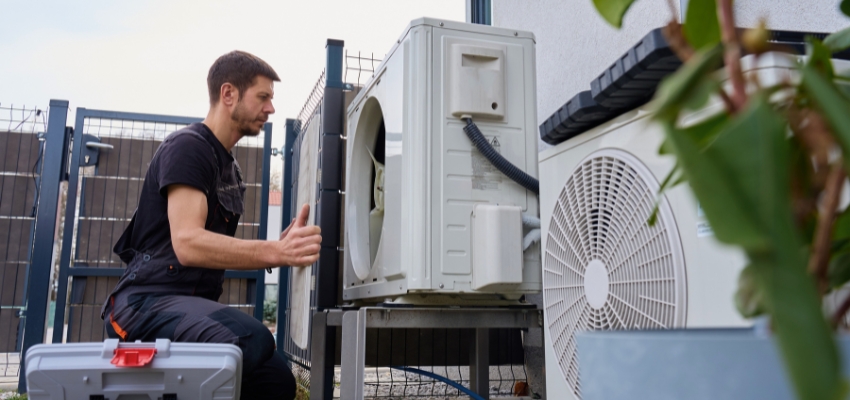
Professionals typically install ERV systems for $2,000 to $5,000. The final price varies based on your home’s size, required airflow, and installation complexity.
Balancing Installation Costs And Energy Savings
You make an upfront investment in installation. However, improved HVAC efficiency and lower energy usage can offset these costs over time.
Factors Affecting The Price
Numerous elements can affect the final cost, including:
- The unit’s size and airflow capacity
- The brand and its efficiency rating
- Compatibility with existing ductwork
- Labor costs and installation complexity
- Whether the system is installed during new construction or as a retrofit
Maintenance And Operating Costs
ERV systems consume minimal electricity. You typically replace filters and occasionally service the heat exchange core to cover ongoing costs.
Evaluating The Long-Term ROI
An ERV can be a worthwhile investment for homeowners. It offers improved indoor comfort, air quality, and reduces HVAC workload.
Potential Downsides
- Upfront installation costs: Most households face the biggest drawback in the initial installation expense, especially in older homes that require ductwork modifications.
- Routine maintenance requirements: To operate efficiently, you must perform regular maintenance. Replace filters periodically and keep intake and exhaust vents clear of debris.
- When an ERV might not be necessary: Older homes with significant natural airflow may not require mechanical ventilation. You may find it better to focus on air sealing and insulation improvements first.
- Common misconceptions: An ERV does not replace an air conditioner or dehumidifier. The system works with your existing HVAC to improve ventilation and comfort.
Choosing An ERV System
When selecting one, consider the following factors.
Key Features
Look for systems with these features:
- High sensible recovery efficiency (SRE) ratings
- Effective filtration
- Built-in defrost systems for cold climates
- Quiet operation
- A reliable warranty
Size And Capacity
Proper sizing matters. If you install a system that’s too small, it won’t provide enough ventilation. An oversized system will waste energy. An HVAC professional can calculate your home’s specific airflow requirements.
Standalone Vs. Integrated Systems
You can install an ERV as a standalone system with its own ductwork, or integrate it into your existing HVAC setup. An integrated system usually simplifies and lowers costs for homes that already have compatible ductwork.
Energy Efficiency And Smart Controls
Many modern ERVs include smart controls that automatically adjust airflow based on indoor conditions. Choosing a high-efficiency model can further increase your energy savings.
Questions For Your Installer
Before making a purchase, be sure to ask your installer about the following:
- Warranty coverage
- Maintenance needs
- System lifespan
- Installation timeline
- Recommended service schedule
Signs Your Home May Need An ERV System
- Persistent stale air indoors: If you notice lingering odors, musty rooms, or poor airflow, you may have inadequate ventilation.
- Condensation or moisture buildup: Foggy windows and excess moisture on walls often signal trapped indoor humidity.
- Allergy or respiratory concerns: Poor ventilation traps dust, pollen, and other airborne particles. This accumulation can worsen allergy and asthma symptoms.
- Highly airtight or recently built homes: Modern homes often feature airtight construction. Energy-efficient renovations can reduce natural airflow. These homes may require a mechanical ventilation system to circulate fresh air properly.
Frequently Asked Questions
How much does an ERV system cost?
Professionals typically install ERV systems for $2,000 to $5,000. Your home’s size and installation needs determine the final price.
What is the best ERV system for residential use?
The best ERV system for your home depends on its size, your local climate, and your airflow needs. You should also consider features like smart controls and advanced filtration.
Can an ERV system reduce energy bills?
Yes. An ERV system improves ventilation efficiency. It also reduces the workload on your HVAC system. This helps minimize your heating and cooling costs.
How often should the system be maintained?
Inspect the filters every one to three months and schedule professional service once a year.
Can it help control indoor moisture?
ERVs regulate indoor humidity by transferring moisture between incoming and outgoing air.

Why An ERV System Is A Smart Upgrade For Modern Homes
An ERV system offers homeowners a valuable investment. It provides healthier indoor air, improves comfort, and boosts energy efficiency. An ERV especially benefits airtight homes, households with allergy sufferers, or properties with humidity issues. While you may pay high upfront costs, you often gain long-term benefits. Proper sizing and professional installation deliver enhanced indoor comfort and support your HVAC system’s efficiency.
Improve your home’s air quality and comfort! Contact Fahrenheit AC, a trusted HVAC provider with over 25 years of experience. Our team delivers expert heating, cooling, and ventilation solutions to keep your home comfortable year-round.