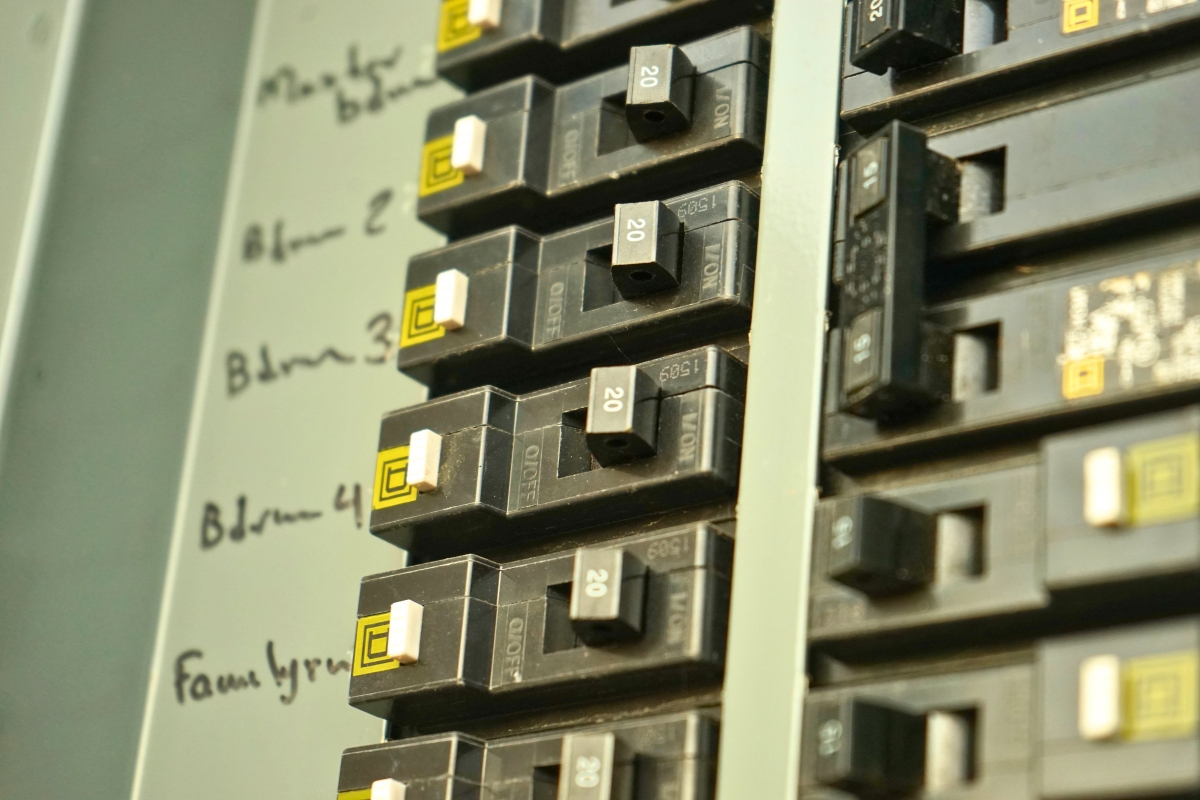
It always seems to happen on the hottest days. Your air conditioner suddenly shuts off, you reset the breaker, and minutes later, it trips again. If your AC breaker keeps tripping, the system is working as intended to protect your HVAC equipment and electrical circuit from damage. An occasional trip isn’t always a cause for concern, but if it keeps happening, there’s likely an underlying issue that needs attention.
Sometimes the fix is simple, like replacing a clogged air filter. Other times, the issue is more complex, such as a failing compressor or damaged wiring. These electrical faults require professional repair. Either way, knowing what causes breaker trips can help you prevent expensive damage and restore reliable cooling sooner.
Why Does My AC Keep Tripping the Breaker?
When homeowners ask, “Why does my AC breaker keep tripping?” they usually want a quick fix. Unfortunately, there isn’t a single answer. Mechanical wear, electrical issues, and neglected maintenance can all cause your system to draw too much power. When that happens, the circuit breaker shuts off power to protect your HVAC system and your home’s electrical circuit. That’s why understanding how the breaker works shows why repeated trips should never be ignored.
Why Repeated Breaker Trips Should Never Be Ignored
It’s tempting to keep resetting the breaker, especially if the AC starts running again. But a breaker that trips repeatedly warns you that something isn’t working properly.
Repeated trips may be caused by:
- An electrical short
- A failing compressor
- An overloaded motor
- Damaged electrical components
- A worn circuit breaker
Don’t ignore the warning. Repeatedly resetting the breaker wears down your HVAC system and can lead to much more expensive repairs over time.
Common Reasons an AC Breaker Keeps Tripping
Breaker trips can have several causes, ranging from simple maintenance issues to failing electrical components. The first step toward preventing repeat trips is identifying the underlying problem.
Clogged Air Filter
A dirty air filter is one of the most common AC issues. It’s also one of the easiest to fix. When airflow is blocked, your blower motor and compressor work harder. This increases electrical load, and eventually the breaker trips to protect your system. Routinely inspect your air filter every month and replace it when it’s dirty. This simple task improves airflow and reduces strain on your HVAC system.
Dirty Condenser Coils
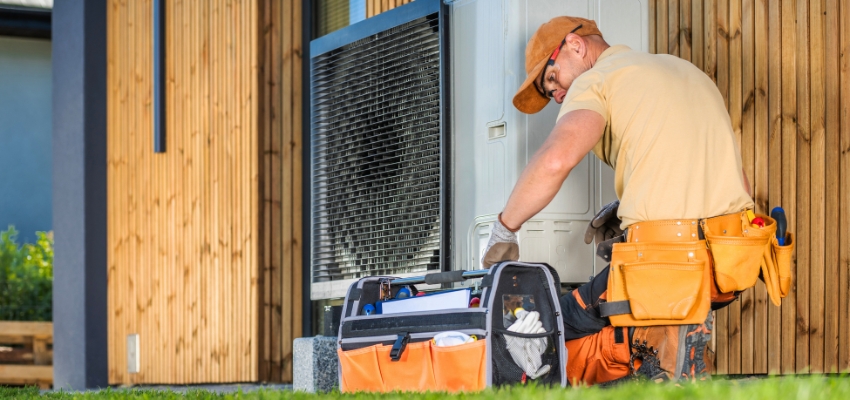
The outdoor condenser releases heat from your home. When dirt, leaves, and debris build up on the coils, heat can’t escape efficiently. This forces the compressor to work harder to maintain the temperature. Electrical demand increases and breaker trips become more likely. Maintaining the outdoor unit free of debris and overgrown vegetation improves airflow and reduces stress on the system.
Frozen Evaporator Coil
A frozen evaporator coil doesn’t mean better cooling. It usually points to restricted airflow or a refrigerant problem. Ice stops the coil from absorbing heat. Your system runs longer and puts extra strain on the compressor. Common causes include dirty air filters, blocked vents, low refrigerant, and failing blower motors.
If you detect ice on the indoor coil or refrigerant lines, turn off the cooling system and let it thaw completely before restarting. If the breaker continues to trip, schedule a professional inspection.
Failing Compressor
The compressor is one of the hardest-working components in your air conditioner. It circulates refrigerant throughout the cooling system. Over time, internal wear increases its electrical demand, especially during startup. When demand gets too high, it can cause the breaker to trip.
Common warning signs include:
- Breaker trips shortly after startup
- Loud humming or buzzing
- Reduced cooling performance
- Warm air from the vents
- Longer cooling cycles
Compressor repairs can be costly. Technicians usually perform electrical testing first to determine whether repair or full replacement is needed.
Faulty Capacitor
The capacitor holds the electrical energy required to start and run your air conditioner’s motors. As it fails, the compressor or fan motor may struggle to start, increasing electrical demand and causing the breaker to trip.
Other warning signs include:
- Clicking sounds
- Humming from the outdoor unit
- Delayed startup
- Intermittent cooling
Capacitors can retain a dangerous electrical charge even when the system is off. They should never be handled by untrained people. Always contact a qualified HVAC technician to test or replace a faulty capacitor.
Loose Wiring or an Electrical Short
Electrical connections become loose in the long run due to vibration and normal operation. Loose wiring increases resistance, and damaged insulation can result in a short circuit that trips the breaker almost immediately.
Watch for burning odors, scorch marks, or exposed wiring. Be concerned if the breaker trips immediately after a reset. If you notice any of these signs, leave the system off and contact an HVAC professional right away.
A Worn or Faulty Circuit Breaker
Although HVAC issues are the more common cause, don’t overlook the breaker itself. Like any electrical component, breakers wear out over time and may become more sensitive than they should be. An HVAC technician can determine whether the breaker is failing or correctly responding to a problem elsewhere in the system.
Overworked, Aging, or Undersized HVAC Systems
Air conditioners become less efficient as they age, so their electrical demand increases over time. An undersized system faces similar challenges, especially during Florida’s hottest months when it runs almost continuously. If your system is older and breaker trips become more frequent, it may be time to evaluate whether repair or replacement offers better long-term value.
What You Can Safely Do Before Calling an HVAC Technician
Not every breaker trip requires an emergency service call. Before calling a technician, you can do a few simple checks yourself. None of these require opening electrical panels or handling live wires.
- Check Airflow Around Your System: Start by inspecting the air filter and replace it if it’s dirty. Then check the outdoor condenser for leaves, grass clippings, and debris that restrict airflow. Cut down nearby shrubs to maintain at least two feet of clearance. Rinse dirty condenser fins gently with a garden hose. Avoid operating a pressure washer, which can damage the fins.
- Check Thermostat Settings: Confirm the thermostat is set to Cool, the temperature is appropriate, and the fan is set to Auto. If the display is blank or shows a low-battery warning, replace the batteries or have the thermostat inspected.
- Allow Frozen Coils To Thaw Before Restarting: If ice develops on the evaporator coil or refrigerant lines, switch the thermostat to Off and set the fan to On. Once the ice melts completely, restart the system. If the breaker trips again or the coils refreeze, professional service is needed.
- Reset the Breaker Only Once: It’s reasonable to reset the breaker once to rule out a temporary overload. If it trips again shortly after, stop resetting it. Repeated trips usually indicate an underlying issue needing professional diagnosis. Continuing to reset the breaker puts extra strain on your HVAC system.
Signs the Problem Requires Immediate Professional Repair
Some breaker trips point to problems that shouldn’t wait. If you notice any of the following, turn the system off and arrange for professional service.
Breaker Trips Immediately After Resetting
A breaker that trips immediately after reset is a serious warning. It usually indicates a major electrical fault, like a short circuit or grounded compressor. Repeatedly resetting the breaker won’t solve the problem and can cause further damage.
Burning Smells, Buzzing, or Visible Electrical Damage
A burning odor, buzzing or crackling sounds, smoke, scorch marks, or exposed wiring all point to a potentially dangerous electrical issue. Turn off the system and don’t use it until a qualified HVAC technician has inspected it.
Warm Air, Loud Noises, or Compressor Issues
If your AC blows warm air or makes loud grinding, rattling, or humming noises, the compressor or another major component may be failing. Addressing these issues early prevents more extensive repairs.
Breaker Trips Repeatedly During Every Cooling Cycle
While an occasional breaker trip can happen, tripping during almost every cooling cycle indicates a persistent problem. Continuing to run the system increases wear on critical components.
How Professional HVAC Diagnostics Identify the Root Cause
A tripped breaker tells you something is wrong, but doesn’t explain why. Professional diagnostics identify the overload source so technicians can repair the actual problem instead of just treating the symptom.
- Electrical Component Testing: Technicians inspect wiring, voltage, electrical connections, capacitors, relays, motors, and contactors to find the overload source. Testing these components helps pinpoint the failed part instead of replacing parts based on guesswork.
- Amp Draw and Compressor Evaluation: Specialized meters measure how much current the compressor and motors draw during startup and operation. Excessive amp draw often indicates worn or failing components.
- Airflow and Refrigerant Inspection: Technicians inspect the air filter, evaporator, and condenser coils, and refrigerant levels. They also check blower performance and overall airflow. This helps determine if restricted airflow or refrigerant issues cause the problem.
How To Prevent Future Breaker Trips
Many breaker trips can be prevented with routine maintenance and regular attention to your HVAC system throughout the year.
Schedule Routine AC Maintenance
Seasonal maintenance helps prevent unexpected breakdowns. During a visit, technicians inspect electrical connections, clean coils, test capacitors, check refrigerant levels, and spot worn parts before failure. In Florida, scheduling maintenance before the cooling season prepares your system for months of heavy use. Replacing your air filter regularly between visits also reduces strain on the system.
Keep the Outdoor Unit Clean
Keep the area around the condenser clear of leaves, grass clippings, and overgrown vegetation. Proper airflow helps your system release heat efficiently and reduces stress on the compressor.
Deal With Minor Issues Before They Become Expensive Repairs
Never ignore longer cooling cycles or unusual noises. Watch for reduced airflow or occasional breaker trips. Small problems can quickly become expensive repairs.
Frequently Asked Questions
Why does my AC keep tripping the breaker after running for a few minutes?
A breaker that trips after several minutes points to a few possible causes. The system may be overheating or drawing too much current. Common causes include dirty coils, restricted airflow, low refrigerant, or a failing compressor.
Can a clogged air filter cause an AC breaker to trip?
Yes. A dirty filter blocks airflow, forcing the blower motor and compressor to work harder. The extra strain increases electrical demand. Eventually, the circuit breaker trips.
Is it safe to keep resetting an AC breaker?
No. Reset the breaker only once. If it trips again, leave the system off and arrange professional service.
Should I replace the breaker or the entire AC unit?
That depends on the cause. A worn breaker may only need replacement. However, if major HVAC failures cause repeated trips, full system replacement may be the smarter long-term choice. The same applies if your system is aging and frequently breaking down.
Stop Repeated Breaker Trips Before They Turn Into Costly Repairs
When an AC breaker keeps tripping, don’t ignore or repeatedly reset it. It’s doing exactly what it was designed to do. It protects your HVAC system and your home’s electrical system from damage. While some causes, like a dirty air filter or blocked condenser, are easy to fix, recurring breaker trips often point to a more serious mechanical or electrical issue.
Finished basic troubleshooting? If your breaker still trips, it’s time for a professional diagnosis. The experienced technicians at Fahrenheit AC are here to help. We’ll identify the underlying cause and explain your repair options clearly. Let us restore safe, reliable cooling and protect your system from further damage.