Mold in Air Conditioner Units: Causes, Signs & Solutions
By Rei Bayucca · Published August 6, 2026

If your air conditioner releases a musty odor or you see dark spots near the vents, mold may be present inside the system. This issue is common in Florida due to high humidity and frequent AC use, which create ideal conditions for mold growth.
Identifying mold early helps protect indoor air quality and prevents it from spreading through your HVAC system. Understanding the potential causes, warning signs, and when to seek professional help allows you to address the issue before it impacts your home.
What Causes Mold in an Air Conditioner?
Mold grows where moisture, organic material, and limited airflow are present. Air conditioners often provide these conditions.
Why Moisture Builds Up Inside AC Systems
Your air conditioner cools indoor air by passing it over the evaporator coil, causing condensation. This moisture should drain into a pan and exit through the drain line. If the drain line is clogged, humidity remains high, or water does not drain properly, moisture can accumulate inside the system, creating ideal conditions for mold growth.
Where Mold Commonly Grows Inside an Air Conditioner
Mold usually develops in areas that stay cool, damp, and out of sight, including:
-
The evaporator coil
The condensate drain pan and drain line
Air filters that collect dust and moisture
Ductwork and air vents where condensation forms
Window AC housings and drip trays
These areas often collect dust and organic debris, creating surfaces where mold spores can settle and grow.
Why Florida Homes Are More Prone to AC Mold
Florida’s warm, humid climate causes air conditioners to run most of the year, leading to increased condensation and a higher risk of mold if moisture is not removed efficiently. Routine HVAC maintenance is especially important for Florida homeowners.
Signs You Have Mold in Your Air Conditioner
Mold is not always visible, but your air conditioner may display warning signs before the issue becomes severe.
Musty Odors Coming from the Vents
A persistent musty or earthy odor when the AC starts is often an early sign of mold. If the smell fades after the system shuts off but returns when it runs, mold inside the unit or ductwork may be present.
Visible Mold Around the AC or Air Vents
Inspect air vents, filters, drip pans, and other accessible parts for black, green, or gray discoloration. Mold on AC coils may appear as a fuzzy or slimy film and is often hidden inside the unit.
Not all dark spots are mold; dirt and dust can look similar. If you’re unsure, have the system professionally inspected.
Allergy or Respiratory Symptoms That Worsen Indoors
Do you or other household members sneeze, cough, or experience itchy eyes and nasal congestion indoors? Do these symptoms improve after leaving the house? If so, mold circulating through the HVAC system may be to blame.
Poor Airflow or Reduced Indoor Air Quality
Mold buildup on evaporator coils or inside ductwork can hinder the flow and diminish indoor air quality. Rooms may feel stuffy, cooling may become uneven, and odors may worsen as the issue progresses.

Is Mold in an AC Unit Dangerous?
Mold in an AC unit poses a real indoor air quality concern. The risk depends on the amount and type of mold, as well as occupant sensitivity.
How Mold Spreads Through Your HVAC System
Your HVAC system circulates air throughout your home. If mold grows inside the air conditioner or ductwork, spores can travel through the vents each time the system runs, potentially affecting multiple rooms.
Common Health Risks of Mold Exposure
Exposure to indoor mold and damp environments has been associated with symptoms such as:
-
Nasal congestion
Sneezing
Coughing
Itchy or watery eyes
Throat irritation
Headaches
Worsened asthma symptoms
Research directly linking mold in residential AC units to illness is limited. However, health authorities agree that damp indoor environments can cause respiratory irritation and allergic reactions, especially in sensitive individuals.
Who Is Most at Risk?
Some people are more likely to experience symptoms from mold exposure, including:
-
People with asthma or other respiratory conditions
Individuals with mold or dust allergies
Young children
Older adults
Anyone with a weakened immune system
For these individuals, prompt mold remediation can improve indoor air quality and reduce ongoing exposure.
What to Do If You Find Mold in Your Air Conditioner
Finding mold in your air conditioner does not always require replacing the entire system, but prompt action is necessary. The appropriate response depends on the extent and location of the mold.
Should You Turn Off Your AC?
Yes. If you suspect mold in your air conditioner, turn the system off until the source is identified. Running the AC can circulate mold spores, affecting indoor air quality and spreading contamination.
Can You Clean Mold Yourself?
Minor mold growth on accessible parts, such as washable filters, vents, or a window AC housing, can often be cleaned safely at home.
You can typically:
-
Replace or wash reusable air filters according to the manufacturer’s instructions.
Wipe non-porous surfaces with a mild cleaning solution.
Use a HEPA vacuum to remove loose dust and debris before cleaning, if available.
Do not dismantle a central air conditioning system unless you are trained. Mold inside the evaporator coil, blower assembly, or ductwork requires specialized equipment and cleaning methods.
When to Call an HVAC Professional
Professional service is usually the safest option if:
-
Mold is forming on the evaporator coil or inside the air handler.
The mold has spread into the ductwork.
The problem keeps coming back after cleaning.
You have a central HVAC system rather than a window unit.
Someone in your household has persistent allergy or respiratory symptoms.
An HVAC technician can pinpoint the source of moisture and thoroughly clean affected components. They will also handle underlying issues, such as clogged drain lines, poor drainage, or restricted airflow, to prevent mold from returning.
Mold vs. Other Common Air Conditioner Problems

How to Prevent Mold in Your Air Conditioner
Preventing mold is typically easier and less costly than removing it. Regular maintenance helps keep moisture under control.
Change Air Filters Regularly
Air filters collect dust, pollen, and other particles that can feed mold if they remain damp. Replace or clean filters as instructed by the manufacturer, or about once a month during heavy AC use.
Keep the Condensate Drain Clean
The condensate drain line removes moisture during cooling. If it becomes clogged, water can back up and create damp conditions for mold growth. Regular inspection and periodic flushing keep the drain clear.
Control Indoor Humidity
Maintain indoor humidity between 40% and 50%, and no higher than 60%, to reduce the risk of mold. If your home feels damp, use a whole-home or portable dehumidifier to control moisture.
Schedule Routine AC Maintenance
Professional maintenance is highly effective for preventing mold in air conditioners. Technicians inspect for moisture problems, clean coils and drain components, check airflow, and address minor issues before they become major repairs.
Frequently Asked Questions
How do I know if there is mold in my air conditioner?
Common signs include a persistent musty odor when the AC runs, visible dark spots near vents or accessible components, and allergy or respiratory symptoms that worsen indoors.
Can mold in an air conditioner make you sick?
Yes. Exposure to mold can trigger allergy symptoms, respiratory irritation, or worsen asthma in sensitive individuals. The risk depends on the amount and type of mold, and individual sensitivity.
Is mold in an AC unit dangerous?
Yes, especially for people with asthma, allergies, or weakened immune systems. Since HVAC systems circulate air throughout the home, mold spores can spread to multiple rooms if not addressed.
Can I remove mold from my AC myself?
You can usually clean small amounts of mold from accessible areas, such as washable filters, vents, or a window AC unit. Mold on the evaporator coil, inside the air handler, or in ductwork should be handled by an HVAC professional.
What causes mold in an air conditioner?
Mold develops when condensation combines with dust, dirt, and poor airflow. Clogged drain lines, high indoor humidity, and neglected maintenance increase the risk of mold growth.
How do I prevent mold from growing in my AC?
Routinely replace or clean air filters, keep the condensate drain line clear, maintain indoor humidity between 40% and 50%, and schedule routine HVAC maintenance to control moisture inside the system.
Can you tell if it’s black mold just by looking at it?
No. Mold cannot be identified by color alone. Many common species appear black, dark green, or gray, and visual inspection is not sufficient. If you are concerned about the species or extent of contamination, professional testing is recommended.
What are the symptoms of black mold in an AC unit?
Reported black mold in an AC unit symptoms may include nasal congestion, coughing, sneezing, throat irritation, headaches, and worsened asthma or allergy symptoms. These symptoms are not unique to black mold, so identification by appearance alone is not recommended. If symptoms persist or mold returns, have the system professionally inspected for hidden growth.
Why does mold in window AC units happen so often?
Window air conditioners are especially prone to mold because they are exposed to warm, humid outdoor air while the interior remains cool and damp. Their compact design limits airflow, allowing condensation to linger longer than in central air systems.
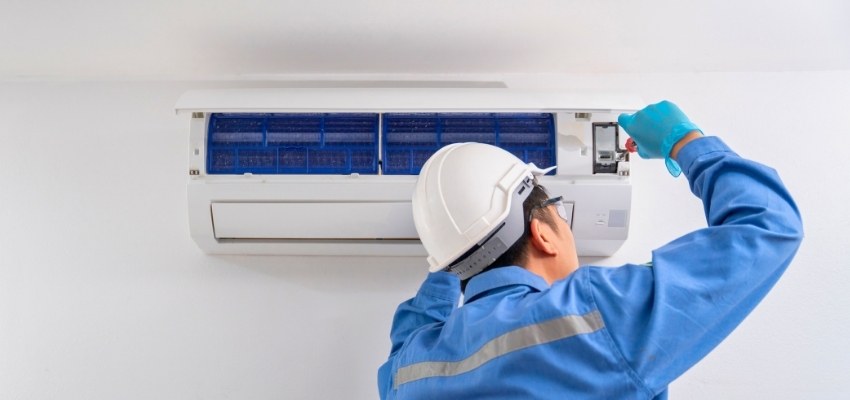

Keep Mold Out of Your Air Conditioner With Regular Maintenance
Mold in air conditioner systems is easier to prevent than to remove. Addressing musty odors, visible mold, or other warning signs early can help protect your indoor air quality and prevent more extensive HVAC issues.
If you suspect mold in your system, Fahrenheit AC offers professional AC maintenance, repair, and duct cleaning in Fort Lauderdale and Broward County. Schedule an inspection to identify the source, improve indoor air quality, and maintain efficient AC operation.
Thinking about adding a wall air conditioner to your Florida home? Fahrenheit AC can help. We’ll help you choose the right system and take care of the installation, so you can enjoy lasting comfort with our expert support.

Rei Bayucca is the lead writer for the Fahrenheit AC blog, covering air conditioning, heating, and indoor air quality for South Florida homeowners.
Need a hand with your AC?
Fahrenheit AC serves Broward, Palm Beach, and Miami-Dade counties.
(954) 793-8610Request ServiceNeed a hand with your AC?
Fahrenheit AC serves Broward, Palm Beach, and Miami-Dade counties.
(954) 793-8610Request Service